




















Creating a Fun and Effective Environment for Kids to Learn English

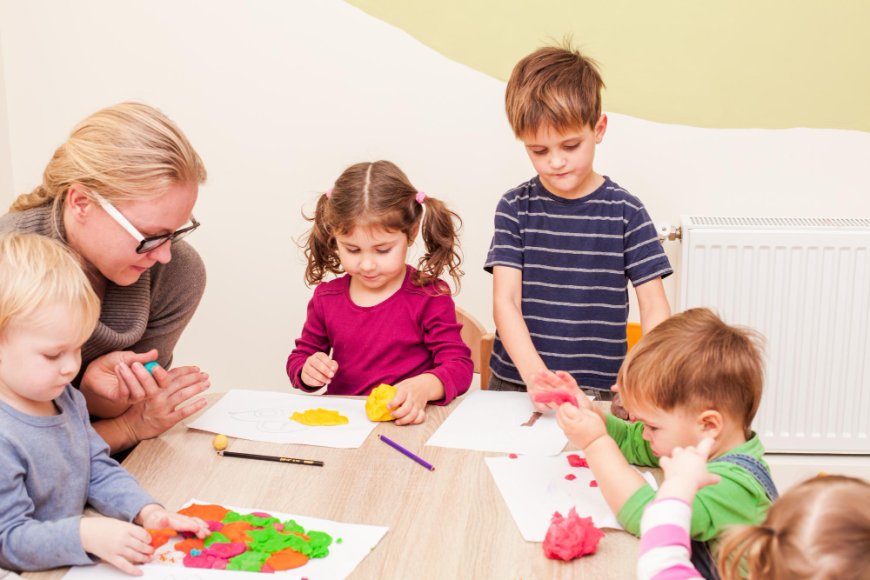
Learning a new language opens up a world of opportunities for children, helping them develop cognitive skills, cultural awareness, and confidence. When it comes to learning English, creating an inviting and stimulating environment is key to fostering enthusiasm and sustaining interest.
Why Environment Matters in Children's English Learning
Children learn best when their environment is rich in resources, supportive, and fun. A positive environment helps reduce anxiety, encourages curiosity, and motivates kids to practice their language skills consistently. Whether at home, in classrooms, or community settings, the right environment can make a significant difference in children's language acquisition journey.
Elements of an Ideal English Learning Environment for Kids
1. Visual Aids and Interactive Materials
Colors, pictures, flashcards, and posters with English words help children associate images with vocabulary. Interactive materials like puzzles, storybooks, and games make learning engaging and memorable.
2. Listening and Speaking Opportunities
Creating spaces where children can listen to English through songs, stories, and conversations encourages active listening and speaking practice. Repetition and verbal interactions build confidence and pronunciation skills.
3. Comfortable and Child-Friendly Space
A cozy and inviting space with comfortable seating, proper lighting, and accessible learning tools helps children feel relaxed. A stimulating environment with open spaces for movement also encourages active participation.
4. Technology-Based Resources
Incorporating tablets, computers, and English learning for kids offers interactive and personalized learning experiences. These digital tools often include games, videos, and quizzes tailored to different age groups.
5. Supportive and Encouraging Atmosphere
Positive reinforcement and patience from teachers, parents, or peers create a safe space for kids to experiment with language without fear of making mistakes. Celebrating small successes boosts motivation.
6. Cultural Exposure
Introducing children to English-speaking cultures through videos, music, festivals, or stories broadens their understanding and appreciation of the language context.
Practical Tips for Parents and Educators
Create a bilingual environment: Label household items with their English names, and incorporate English into daily routines.
Use storytelling: Read English stories aloud and encourage children to retell or act them out.
Incorporate games: Language-based board games and digital games make learning fun.
Immerse in music and videos: Sing English songs and watch child-friendly shows in English.
Encourage peer interaction: Group activities enhance communication skills and social learning.
Conclusion
An enriching environment tailored for children's learning is vital for mastering English effectively and enjoying the process. By combining visual aids, interactive activities, cultural exposure, and emotional support, parents and educators can create a nurturing space where young learners thrive and develop a lifelong love for the language.