

















Modular Scale Models Dubai in Heritage Preservation
Preserving architectural heritage while embracing modern needs is a growing priority in Dubai. As the city matures, many developers are shifting their focus from building new structures to repurposing existing ones.

Preserving architectural heritage while embracing modern needs is a growing priority in Dubai. As the city matures, many developers are shifting their focus from building new structures to repurposing existing ones. Adaptive reuse is the method of transforming old buildings for new uses.
However, maintaining the original charm and historical value is not easy. This is where modular architectural scale models play a vital role. These models help planners, architects, and developers protect cultural identity during redevelopment.
Understanding the Importance of Architectural Heritage in Dubai
Dubai is known for its futuristic skyline, but its architectural history is equally important. From coral stone wind towers to early concrete villas, the city holds a mix of styles from different eras. Adaptive reuse projects aim to preserve these elements while making the spaces functional for modern needs.
Whether it's an old government building, a school, or a traditional courtyard house, the balance between preservation and innovation must be handled carefully.
How Modular Architectural Scale Models Support Heritage Preservation
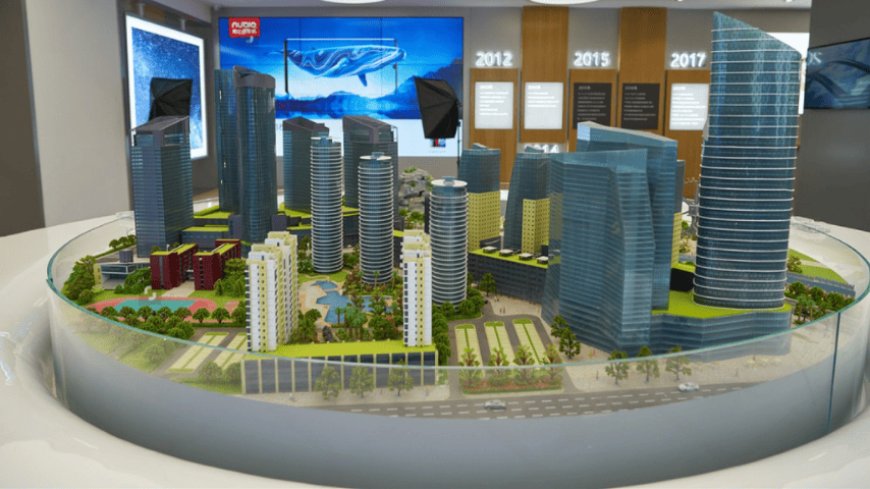
Modular architectural scale models Dubai are detailed physical models that are built in separate, removable sections. Each module represents a portion of the structure. These components allow the team to analyze each part of the building individually and as a whole. For heritage preservation, this is essential. It helps stakeholders identify which parts of the original architecture must remain untouched and which can be changed.
Highlighting and Isolating Historic Elements
With modular scale models, it is possible to highlight specific historic components. These might include arches, columns, mashrabiya screens, or traditional roofing materials. By physically isolating these elements in the model, teams can visualize how they interact with proposed modifications.
This separation provides clarity and ensures that key features are not overlooked during design decisions. In Dubai, where small details often carry cultural significance, this visual clarity is crucial.
Evaluating Impact of Design Interventions
Modular architectural scale models allow easy testing of different design options. For adaptive reuse buildings with heritage value, multiple proposals are often submitted. One design might involve preserving a facade while adding a new wing.
Another may suggest replacing the interior while keeping the exterior intact. With modular models, each scenario can be demonstrated without having to rebuild the entire model. This makes it easier to predict the impact of each intervention.
Facilitating Communication with Authorities
Dubais redevelopment projects often involve approvals from heritage and planning authorities. Modular models serve as an effective communication tool in these processes. During meetings, planners can lift off roof sections, show interior volumes, and explain how old and new parts of the building interact. This hands-on approach is much clearer than digital renderings alone. It helps reviewers understand how the original structure will be respected and preserved.
Educational and Public Engagement
Many adaptive reuse projects in Dubai involve public spaces like museums, cultural centers, or galleries. In such cases, it is important to involve the community. Modular architectural scale models can be displayed in exhibitions or open houses. Visitors can see how an old post office is being transformed into a creative hub, for example. This creates a deeper emotional connection and fosters public support. The ability to remove and reattach sections helps explain the development phases in a simple way.
Recording and Archiving Historical Features
Before redevelopment begins, architectural documentation is essential. Modular scale models offer a physical way to record the original layout and features. Even if a section of the building must be removed during construction, it remains part of the model. This archival purpose is valuable for educational and preservation purposes. It also helps future generations understand what was lost and what was saved.
Designing Reversible Additions
In heritage preservation, the concept of reversibility is important. Any changes made should be reversible if needed. Modular models make it easier to test such ideas. Designers can simulate lightweight extensions, transparent bridges, or removable partitions. These reversible features are easier to analyze physically than digitally. In Dubai, where heritage buildings are rare and valuable, such planning ensures long-term preservation.
Supporting Mixed-Use Heritage Projects
Many adaptive reuse buildings in Dubai are converted into mixed-use developments. A traditional villa may host a caf, art space, and private residence. Modular architectural scale models help demonstrate how new functions will fit into the old structure without damaging it.
Each module can show different uses, circulation paths, and service zones. This clarity helps developers ensure the building remains functional while staying respectful to its roots.
Aiding Sustainable Heritage Practices
Preserving a building instead of demolishing it is a sustainable choice. Modular models further support green planning.
They help teams study how heritage buildings can be retrofitted for energy efficiency. For example, adding shading devices, solar panels, or insulation can be tested in a removable module. These features are important in Dubai's climate, where managing heat is a priority.
Conclusion
Modular architectural scale models in Dubai play a critical role in preserving architectural heritage during adaptive reuse. They offer a flexible, detailed, and interactive way to explore design options. By isolating key elements, aiding communication, and supporting sustainable solutions, these models guide careful decision-making.
In a city where history is easily overshadowed by modern ambition, modular scale models provide a balanced approach. They allow Dubais architectural past to live on, not as frozen monuments, but as active parts of the citys future.