


















Why Fixed Blade Knives Remain Essential for Survival and Tactical Use

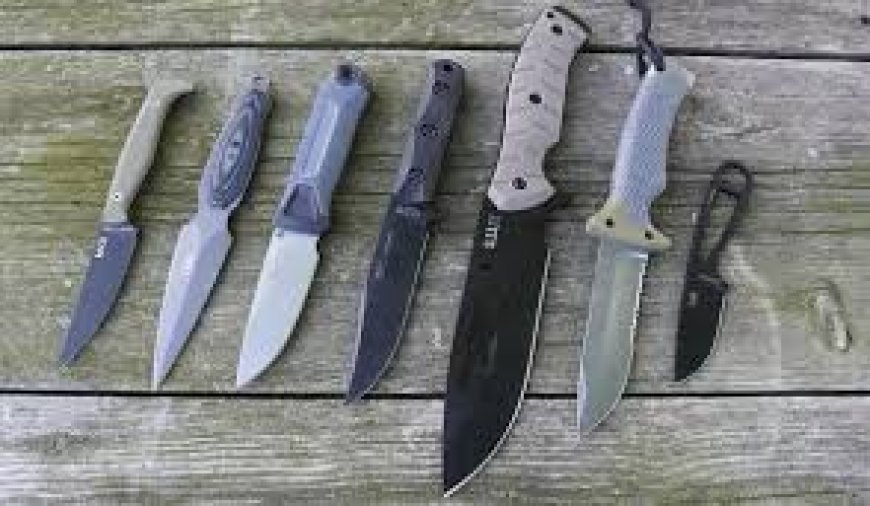
it comes to tools that have stood the test of time, few rival the simplicity, reliability, and functionality of the Fixed Blade Knives. Whether you're deep in the wilderness, serving in military operations, or preparing for emergencies, a fixed blade knife is one of the most indispensable tools you can carry. While folding knives and multi-tools have their place, fixed blades offer unique advantages that make them a cornerstone of survival and tactical gear.
In this article, we explore the enduring value of fixed blade knives, focusing on their role in survival and tactical situations, and why they continue to outperform modern alternatives in critical scenarios.
The Basic Anatomy of a Fixed Blade Knife
Before diving into the uses and benefits, it's important to understand what makes a fixed blade knife different from its folding counterparts.
-
Blade and Tang: Fixed blade knives consist of a solid, continuous piece of metal, usually extending into the handle (known as the "tang"). Full-tang knives, where the metal extends the full length and width of the handle, are the strongest and most durable.
-
Handle Material: Handles can be made from various materials such as wood, rubber, G-10, Micarta, or plastic, chosen based on comfort, grip, and environmental conditions.
-
Sheath: Since the blade does not fold, fixed blades come with sheaths made from leather, Kydex, nylon, or other materials for safe storage and quick deployment.
This simple yet robust construction is what makes fixed blade knives so valuable in extreme conditions.
Unmatched Strength and Durability
1. Superior Structural Integrity
Fixed blade knives are stronger than folding knives due to their solid, one-piece construction. There's no pivot point or locking mechanism to fail under pressure. This means they can withstand heavy-duty tasks such as:
-
Batoning wood
-
Digging
-
Prying
-
Chopping
-
Breaking glass or other materials
These tasks would either damage or completely break a folding knife.
2. Long-Lasting Performance
Because of their robust construction, pocket knives are less likely to suffer from wear and tear over time. They dont have moving parts that can become loose, clogged, or rustedmaking them ideal for long-term use in remote areas where maintenance is difficult.
Versatility in Survival Situations
In survival scenarios, versatility is key. A good fixed blade knife can serve multiple roles, reducing the need to carry additional tools.
1. Shelter Building
Fixed blades can be used to cut and carve wood for building shelters, constructing traps, or creating insulation. Their ability to handle rough materials and constant impact makes them ideal for processing branches, stakes, and lashings.
2. Fire Preparation
You can use a fixed blade knife to:
-
Create tinder by shaving fine curls from wood.
-
Strike a ferro rod to ignite a fire, especially if the spine has a 90-degree edge.
-
Split kindling by batoning wood into smaller pieces.
These fire-starting tasks are crucial in cold, wet, or high-altitude environments where hypothermia is a real threat.
3. Food Preparation and Hunting
From skinning game to filleting fish and slicing vegetables, a fixed blade is more hygienic and easier to clean than a folding knife, which may trap blood and organic material in its hinges. Many survival knives also have blades specifically shaped for these tasks, such as drop-point or clip-point styles.
4. Defensive Use
While not ideal, there may be instances where self-defense is necessaryagainst wild animals or human threats. A fixed blade knife provides a faster draw and more reliable grip than a folding knife, which might take longer to deploy in a high-stress encounter.
Tactical Applications: Designed for Combat and High-Stress Situations
1. Speed and Accessibility
In tactical situations, speed can be the difference between success and failure. A fixed blade knife is always ready to useno need to unfold or unlock it. It can be drawn quickly from its sheath and put to work immediately, a critical factor in close-quarters combat (CQC) or emergency rescues.
2. Silent Utility in Military and Law Enforcement
Fixed blade knives are favored by military personnel, special operations forces, and law enforcement for their utility in stealth operations. They can be used to:
-
Cut ropes, wires, or restraints
-
Break windows for rescues
-
Remove clothing or gear from injured personnel
-
Perform silent takedowns (in rare, high-risk situations)
Their reliability, especially under stressful or life-threatening conditions, is why they remain standard issue in many tactical loadouts.
Maintenance and Hygiene: Easier in the Field
Unlike folding knives, fixed blades are easier to clean and maintain in the field. There are no crevices for dirt, grime, or blood to accumulate, which is especially important for hygiene in medical emergencies or food prep.
A fixed blade can be wiped down quickly and resharpened with minimal toolsanother reason they excel in off-grid or long-duration missions.
Adaptability in Diverse Environments
Fixed blade knives can be adapted for use in a wide range of climates and terrains.
1. Arctic and Snow
Cold temperatures can cause folding knife mechanisms to seize up or become brittle. Fixed blades perform reliably in sub-zero temperatures.
2. Jungle and Rainforest
Humidity and moisture can lead to rust or hinge malfunction in folding knives. Fixed blades, especially those with corrosion-resistant steel and synthetic handles, perform well in wet conditions.
3. Desert and Arid Climates
Sand and grit can clog folding mechanisms, while fixed blade knives continue to function without issue.
Psychological Confidence in the Tool
One often overlooked advantage of a fixed blade is the confidence it gives the user. Knowing that your knife wont failwhether its for building a shelter, preparing food, or defending yourselfcan have a powerful impact on morale in survival or combat scenarios. This sense of trust in your gear is vital when you're under pressure.
Key Features to Look For in a Fixed Blade Survival/Tactical Knife
When choosing a fixed blade knife for survival or tactical use, consider the following:
-
Full Tang Construction: Ensures maximum strength.
-
Blade Length (47 inches): Long enough for utility, short enough for control.
-
High-Quality Steel: Stainless for corrosion resistance, or carbon steel for ease of sharpening.
-
Sharp Point: Useful for piercing tasks and self-defense.
-
Sheath Compatibility: Secure, easy to access, and adaptable to your gear.
-
Ergonomic Handle: Provides a firm grip, even when wet or gloved.
-
Spine Edge: Flat or squared-off for use with ferro rods.
Fixed Blade Knives vs. Folding Knives: A Quick Comparison
|
Feature |
Fixed Blade |
Folding Knife |
|
Strength |
Superior |
Moderate |
|
Speed of Use |
Instant |
Delayed (requires unfolding) |
|
Durability |
High |
Moderate to low (hinges wear) |
|
Maintenance |
Easier |
More complex |
|
Size/Portability |
Larger |
More compact |
|
Safety |
Must use sheath |
Blade retracts for safety |
While folding knives have advantages in portability and discreet carry, they cant match the fixed blades strength, reliability, and versatility in critical situations.
Conclusion: The Timeless Utility of the Fixed Blade Knife
Fixed blade knives are not a relic of the pastthey are essential tools for modern survivalists, outdoor enthusiasts, first responders, and tactical professionals. Their unmatched strength, versatility, and reliability make them indispensable in high-stakes environments where your gear must perform without fail.
In an age of high-tech gadgets and specialized tools, the fixed blade knife remains a shining example of purposeful simplicity. Whether you're hiking through rugged terrain, responding to a crisis, or preparing for the unexpected, a good fixed blade knife will be one of your most trusted allies.