
















Accounting and Bookkeeping Software for Contractors: Navigating the Digital Landscape


In the fast-paced world of contractingwhether you're involved in construction, electrical work, plumbing, or other specialized tradesstaying organized financially is crucial. Managing contracts, expenses, payroll, and taxes manually can be overwhelming and prone to errors. Fortunately, the rise of accounting and bookkeeping software packages tailored for contractors has transformed how these professionals handle their financial environment. This article explores the key features of such software, their benefits, and how they fit into the contractors business environment.
Why Contractors Need Specialized Software
Contractors face unique accounting challenges:
Project-based billing: invoicing based on milestones or time and materials.
Job costing: tracking expenses and revenues per project.
Progress billing: invoicing clients at different project stages.
Payroll management: managing subcontractors, employees, and tax compliance.
Tax deductions: easily tracking expenses related to equipment, travel, and supplies.
Compliance: adhering to industry-specific regulations and tax laws.
Accounting software packagescan cover some of these needs, but contractor-specific solutions streamline operations and reduce errors.
Key Features of Contractor-Focused Accounting Software
1. Project and Job Costing
Allows detailed tracking of income and expenses for each project. This helps in evaluating profitability and making informed decisions.
2. Contract Management and Invoicing
Facilitates creating custom invoices based on contracts, milestones, or time and materials, ensuring timely payments.
3. Cost Tracking
Tracks materials, labor, and equipment costs, integrating with procurement and inventory management.
4. Payroll and Subcontractor Management
Automatically calculates wages, processes subcontractor payments, and handles tax filings.
5. Integration with Field Operations
Some software offers mobile apps or cloud access, enabling real-time data entry from job sites and offices.
6. Tax and Compliance Support
Generates reports needed for tax filings, including IRS Form 1099s, and manages depreciation and deductions.
7. Custom Reporting
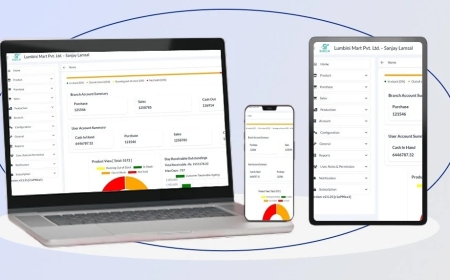
Provides financial dashboards and reports tailored for contractors, helping you monitor cash flow, profitability, and project statuses.
Leading Accounting Software Packages for Contractors
Several software options are specifically designed or highly adaptable to the needs of contractors:
1. QuickBooks Desktop and Online
A popular choice offering industry-specific versions. It provides robust invoicing, expense tracking, and reporting features suitable for small to medium-sized contractors.
2. Construction-specific Software (e.g., Viewpoint, Redbeam)
These platforms integrate project management with accounting, ideal for larger contracting firms managing multiple projects simultaneously.
3. Jobber
Focused on field service management, Jobber combines scheduling, invoicing, and customer management, suitable for small contracting businesses.
4. Buildertrend
Bookkeeping software for contractors offers project management, scheduling, and accounting tools, bridging the gap between field teams and back-office operations.
5. Sage 300 Construction and Real Estate
A comprehensive ERP solution for larger contractors, supporting project management, accounting, and workforce management.
The Environment of Contractor Software
Contractor accounting software fits into a dynamic environment characterized by:
Remote and Mobile Operations: Cloud-based solutions enable field teams to enter data on-site and synchronize with office records.
Multiple Stakeholders: Integration of subcontractors, suppliers, clients, and internal teams is essential.
Regulatory Compliance: Ensuring adherence to local tax laws and industry standards.
Rapid Adaptability: Software must adapt to project changes, budget adjustments, and unexpected issues.
Conclusion
Choosing the right accounting and bookkeeping software is vital for contractors aiming for efficient financial management, improved profitability, and compliance. With tailored features such as project-based tracking, progress billing, and subcontractor management, these software packages serve as powerful tools in navigating the complex environment of contracting businesses. Adopting suitable technology not only streamlines operations but also provides insights for strategic growth.