
















Can Diagnostic Software Replace Manual Phone Testing?
Can software replace manual testing? Discover how phone diagnostic software like Phone Clinix is transforming mobile diagnostics forever.
The mobile device industry has experienced a massive transformation in recent years, with smartphones evolving into highly sophisticated machines. With this complexity comes the challenge of ensuring that every componentfrom the screen and battery to the speakers and sensorsfunctions correctly. Traditionally, phone testing has relied heavily on manual methods, with trained technicians inspecting devices part by part. However, with the rise of phone diagnostic software, especially solutions like Phone Clinix, many are beginning to ask: Can diagnostic software fully replace manual phone testing?
In this article, well explore the capabilities of phone diagnostic software, its benefits, its limitations, and how platforms like Phone Clinix are changing the game. Well also examine whether these digital tools can completely replace the need for manual testing or if a hybrid approach is still necessary.
Understanding Manual Phone Testing
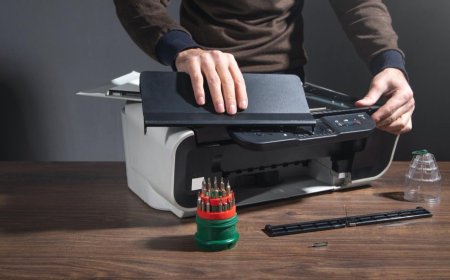
Before we delve into software, its important to understand what manual phone testing entails. Manual testing is the traditional approach used by technicians and repair professionals to evaluate the functionality of a smartphone. It involves physically interacting with the device and testing its components by:
-
Pressing buttons and keys
-
Checking screen responsiveness
-
Using external tools to inspect the motherboard
-
Listening for speaker sound quality
-
Measuring battery voltage
-
Manually verifying camera, microphone, and sensor performance
Manual testing is thorough and relies on a technicians knowledge and experience. Its been the gold standard in phone repair for decades.
What is Phone Diagnostic Software?
Phone diagnostic software is a digital tool designed to test a smartphone's hardware and software components. Rather than relying on human observation, it uses automated tests to determine whether specific phone features are working correctly.
A leading example is Phone Clinix, an advanced phone diagnostic software solution that enables users to perform tests on:
-
Battery health
-
Touchscreen responsiveness
-
Speaker and microphone performance
-
Camera functionality
-
Sensor status (accelerometer, gyroscope, proximity, etc.)
-
Connectivity (Wi-Fi, Bluetooth, cellular)
-
Storage and memory usage
Unlike traditional diagnostics, Phone Clinix requires no technical expertise, no app installation, and can be used remotely or in bulkmaking it ideal for repair shops, resellers, refurbishers, and even regular users.
How Phone Clinix Works
Phone Clinix simplifies phone testing by offering an intuitive browser-based interface. Here's how it typically works:
-
Launch the Software: Open Phone Clinix in a browserno download needed.
-
Select Device Type: Choose Android or iOS, and the tool adapts to your phones architecture.
-
Run Automated Tests: Youre guided through tests with on-screen instructions (e.g., tap specific parts of the screen, speak into the mic, shake the phone to test sensors).
-
View the Report: After testing, the software generates a comprehensive diagnostic report with pass/fail results and hardware insights.
-
Share or Store Results: Reports can be downloaded or shared via cloud linksideal for businesses and resale certification.
Advantages of Phone Diagnostic Software Over Manual Testing
1. Speed and Efficiency
Manual testing can be time-consuming, especially when inspecting multiple devices. Phone diagnostic software like Phone Clinix automates this process, allowing you to test an entire phone in just a few minutes.
2. Accuracy and Consistency
Human error is inevitable in manual testing. A tired or inexperienced technician might overlook a failing sensor or miss a faulty mic. Phone Clinix ensures consistent, unbiased test results every time.
3. Scalability for Businesses
For repair shops, e-commerce platforms, or phone refurbishers, time is money. Testing dozensor even hundredsof phones manually is not feasible. Phone Clinix supports batch testing, making it ideal for large-scale operations.
4. Remote Testing Capabilities
In todays digital world, remote testing is crucial. Manual inspection isnt possible when dealing with remote clients or online sales. With Phone Clinix, remote diagnostics can be performed through a simple link.
5. Customer Trust and Reporting
Phone Clinix generates detailed reports that can be shared with customers. These reports improve transparency and trust, especially in the resale market, where buyers want proof of functionality.
Limitations of Diagnostic Software
While phone diagnostic software has many strengths, it's not without its limitations.
1. Cannot Physically Inspect Hardware Damage
Software can check if the camera worksbut it cant tell if the lens is cracked. Similarly, it can detect battery health but cant identify bulging or physical leakage. Manual inspection is still necessary for these issues.
2. Not Effective with Dead Phones
If a phone doesnt power on or has a bricked motherboard, Phone Clinix and other software-based tools wont be able to run tests. Manual hardware inspection is the only option in these cases.
3. Component-Level Diagnosis Still Needs Experts
If software reports a failing speaker, the fix may involve soldering or replacing components. That still requires human expertise. Phone diagnostic software points out issues, but it doesn't fix them.
Hybrid Approach: Best of Both Worlds
So, can phone diagnostic software like Phone Clinix completely replace manual phone testing?
The short answer is: not entirelybut almost.
The most efficient approach in todays mobile repair and resale industry is a hybrid model:
-
Start with Diagnostic Software: Use Phone Clinix to identify all testable software and hardware-related problems quickly.
-
Follow Up with Manual Inspection: Check for physical damage, verify visual integrity, and address issues flagged by the software that require repair.
This method combines the speed and accuracy of software with the human insight of manual testing, creating a more thorough and effective diagnostic process.
Use Cases Where Diagnostic Software Excels
Here are scenarios where Phone Clinix and similar tools outperform manual testing:
1. Refurbishment and Resale
Resellers need to check dozens of phones quickly. Running Phone Clinix across a batch of devices saves hours and generates proof-of-condition reports for buyers.
2. Repair Shops
Technicians can use phone diagnostic software as a first line of diagnosis to pinpoint faults, speeding up the repair process and increasing service efficiency.
3. Customer Self-Diagnosis
Regular users can use Phone Clinix at home before visiting a repair shop, saving time and money by understanding their device's issues in advance.
4. Warranty and Return Validation
Businesses can require customers to submit diagnostic reports before approving a return or warranty claim, helping avoid fraud and saving on logistics.
Future of Phone Testing: AI-Powered Diagnostics
With artificial intelligence and machine learning, future phone diagnostic software will become even smarter. AI can help interpret test results, suggest likely causes, and even recommend repair steps.
Phone Clinix is already ahead of the curve with its user-friendly interface, cloud-based reporting, and growing integration capabilities. As the technology matures, manual phone testing may eventually become a niche requirement for edge cases.
Final Verdict: Can It Replace Manual Testing?
Yesup to 90%, and climbing.
While phone diagnostic software like Phone Clinix may not entirely replace manual testing in every scenario, it can handle the vast majority of diagnostic tasks with greater speed, accuracy, and consistency. For most users and businesses, it dramatically reduces the need for manual inspections.
For complete peace of mind, a final visual check or hands-on repair might still be neededbut the diagnostic foundation has already shifted to software. The future is clearly digital, and Phone Clinix is leading the way.