
















Email Marketing Automation: Tools and Techniques That Drive Results in 2025

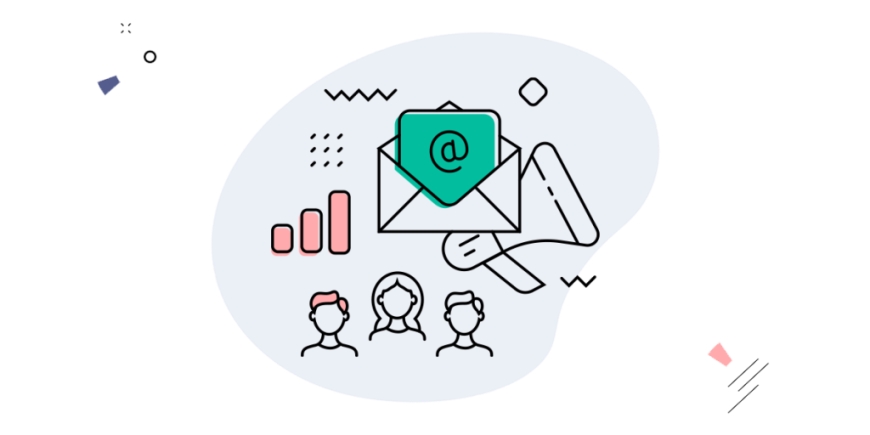
Imagine converting cold leads into warm customers while you sleep. Sounds too good to be true? Not anymore. Thanks to email marketing automation, businesses can now deliver personalized, timely, and impactful messages to their audience with minimal manual intervention. In a digital world obsessed with speed, personalization, and scale, automated email strategies have become the secret sauce behind many thriving online brands. According to recent reports, automated email campaigns generate 320% more revenue than non-automated campaigns. If youre still sending manual newsletters or welcome emails, its time to rethink your approach.
This guide will explore the world ofEmail Marketing Automation: Tools and Techniquesfrom foundational practices to the latest tools and innovations that can significantly boost your marketing ROI. Whether youre a beginner or looking to refine your automation system, this article will offer actionable insights and introduce you to the most effective tools and strategies in 2025.
What Is Email Marketing Automation?
Email marketing automation refers to the process of using software to send targeted emails to your subscribers automatically based on predefined triggers and behaviors. Its not just about scheduling emails in advance; its about crafting intelligent workflows that respond to user activity, demographics, and engagement. Imagine welcoming a new subscriber with a friendly series of onboarding emails or re-engaging a lapsed customer with an exclusive offerwithout lifting a finger each time. Automation takes care of it all.
At its core, email marketing automation aims to save time, enhance personalization, and improve conversion rates. With the right setup, marketers can build and maintain meaningful relationships with customers throughout the entire buyer journey.
Why Email Marketing Automation Is Essential in 2025
The marketing landscape is evolving rapidly. Consumers now expect real-time communication tailored to their preferences, interests, and past behaviors. Static newsletters no longer cut through the noise. Businesses need dynamic, responsive communication flows that adjust based on how users interact with their content.
Automation ensures that emails are not only sent at the right time but also contain the right message. In 2025, automation is less about mass emails and more about meaningful, data-driven conversations. Tools powered by artificial intelligence and machine learning can now predict the best time to send emails, segment lists more intelligently, and personalize content at scale.
Another key reason email automation matters today is its cost-efficiency. With higher open and conversion rates, automated campaigns often deliver a better return on investment compared to other marketing channels. And since many tools offer analytics dashboards, marketers can easily measure and optimize performance without the guesswork.
Building the Foundation: Key Techniques in Email Marketing Automation
The journey to successful automation starts with understanding your audience. Segmentation is the first stepdividing your email list into smaller groups based on behavior, location, purchase history, or engagement level. Once youve segmented your audience, you can create targeted campaigns that resonate more deeply.
The next important technique is trigger-based messaging. These are emails automatically sent when a specific event occurs. For instance, a welcome email is triggered when someone subscribes to your newsletter. A cart abandonment email is sent when a user adds items to their shopping cart but leaves without purchasing. These automated triggers increase the chances of conversions because theyre timely and relevant.
Lead nurturing workflows are another pillar of email marketing automation. These workflows are sequences of emails that guide subscribers through the sales funnel. They can educate, inform, and gradually persuade prospects to take the next stepbe it a free trial, demo request, or purchase.
Testing and optimization complete the loop. A/B testing your subject lines, CTA buttons, and content structure can dramatically improve performance. With automation, these tests can run in the background, automatically selecting the winning version over time.
Choosing the Right Tools for Email Marketing Automation
In 2025, the market is flooded with automation tools, each offering its own set of features. The key is to choose one that aligns with your goals, budget, and technical proficiency.
Platforms like Mailchimp, ActiveCampaign, and Klaviyo continue to dominate the space due to their user-friendly interfaces and robust automation features. For e-commerce businesses, Klaviyo offers powerful integrations with platforms like Shopify and Magento, enabling highly personalized product recommendations and abandoned cart reminders. ActiveCampaign excels in creating complex automation workflows with conditions and goals, making it ideal for service-based industries.
If youre managing B2B campaigns, HubSpot remains a top choice. It combines CRM capabilities with automation, allowing for detailed tracking and segmentation based on user behavior. ConvertKit, on the other hand, is great for creators and bloggers looking to build audience trust through consistent communication.
Most tools offer drag-and-drop builders, visual workflow mapping, and analytics dashboards. Some even incorporate AI to recommend subject lines or segment users based on predicted behavior. When choosing a platform, ensure it supports dynamic content, list management, multi-step workflows, and integration with your website or CRM system.
Best Practices to Maximize Automation Efficiency
To make the most of your automation strategy, consistency and clarity are key. Begin by clearly mapping your customer journey. Understand the touchpoints and decide where automation will have the most impact. Dont try to automate everything at once; start with a few high-impact workflows and build from there.
Craft each email with a single goal in mind. Whether its to educate, convert, or engage, clarity in messaging improves both open rates and click-throughs. Use personalization tags to insert names, locations, or product recommendations dynamically, which can significantly increase engagement.
Monitor your metrics religiously. Key performance indicators such as open rate, click rate, conversion rate, and unsubscribe rate reveal whats working and what isnt. Use these insights to tweak subject lines, email copy, and sending times.
Also, maintain list hygiene. Regularly clean your email list to remove inactive subscribers. Sending emails to unengaged users not only hurts your deliverability but also skews your analytics.
Lastly, never underestimate the power of storytelling. Even in automated emails, human tone and compelling narratives resonate far better than dry, robotic content. Whether youre onboarding new subscribers or following up on a purchase, keep the tone authentic and aligned with your brand.
Integrating Automation with Other Digital Strategies
Email marketing does not exist in isolation. When combined with other digital channels, automation becomes even more powerful. For example, syncing your automation tool with your website analytics enables you to send behavior-based emailslike product follow-ups or content suggestions. Integration with your CRM can help sales teams prioritize hot leads generated through email interactions.
Social media and email can also work together. Using retargeting strategies, you can reach email subscribers who didnt open your messages with targeted ads on Facebook or Instagram. This multichannel synergy improves overall campaign effectiveness and keeps your brand top-of-mind.
Moreover, many marketers complement theirOnline Digital Marketing Coursepromotions through automated welcome series, course reminders, and value-driven newsletters. This not only builds trust but also drives enrollment through consistent, relevant engagement.
The Future of Email Marketing Automation
Looking ahead, automation will become even more intelligent. AI and machine learning are transforming how marketers design workflows. Predictive analytics can now suggest which leads are most likely to convert, and dynamic content ensures each subscriber sees a message tailored specifically to them.
Interactive emailswith embedded forms, polls, and even cart functionalityare becoming more mainstream. These emails reduce the number of steps between click and conversion, improving the user experience and boosting engagement.
Voice-assisted technology and chatbot integration will also play a role. As people interact with brands across more devices, automation will expand to accommodate these new touchpoints, making communication more seamless and responsive.
Regulatory changes will also shape the future. As privacy becomes a bigger concern, ensuring compliance with data protection laws like GDPR and CAN-SPAM will be crucial. This means obtaining proper consent, offering easy opt-outs, and protecting subscriber data through secure systems.
Conclusion: Why You Should Embrace Email Marketing Automation Today
Email marketing automation is no longer just a nice-to-have featureits a must-have in any serious marketers toolkit. It helps businesses engage customers more personally, save time, and increase revenue with less manual effort. By choosing the right tools, applying smart techniques, and continuously optimizing your workflows, you can turn your email list into one of your most powerful marketing assets.
Whether you're nurturing leads, boosting e-commerce sales, or promoting anOnline Digital Marketing Course, automation allows you to scale your efforts without compromising on quality. Start small, test frequently, and let the data guide your path.
As 2025 continues to redefine the rules of digital marketing, those who invest in smart automation strategies will lead the chargeturning passive subscribers into loyal customers and transforming communication into conversion.