














How to Explore Fort Baker Historic Site in Las Vegas
How to Explore Fort Baker Historic Site in Las Vegas There is a common misconception that Fort Baker is located in Las Vegas. In fact, Fort Baker is a historic military site situated in Sausalito, California, just north of the Golden Gate Bridge. It is part of the Golden Gate National Recreation Area and has no physical presence in Las Vegas, Nevada. This confusion often arises due to the populari

How to Explore Fort Baker Historic Site in Las Vegas
There is a common misconception that Fort Baker is located in Las Vegas. In fact, Fort Baker is a historic military site situated in Sausalito, California, just north of the Golden Gate Bridge. It is part of the Golden Gate National Recreation Area and has no physical presence in Las Vegas, Nevada. This confusion often arises due to the popularity of Las Vegas as a travel destination and the frequent misattribution of historic landmarks to well-known cities. As a result, many online searches for Fort Baker Historic Site in Las Vegas return inaccurate or misleading results.
This guide is designed to clarify this misconception while providing a comprehensive, accurate, and actionable resource for those who wish to explore the real Fort Baker Historic Site. Whether you're a history enthusiast, a local resident planning a weekend outing, or a tourist seeking authentic cultural experiences, this tutorial will equip you with everything you need to know to visit, understand, and appreciate Fort Baker in its true location. Well also address why the Las Vegas confusion exists and how to avoid similar errors in future travel planning.
Fort Baker is not merely a relic of military historyit is a living landscape of preserved architecture, natural beauty, and layered narratives spanning over a century. From its role in coastal defense during the Spanish-American War to its transformation into a public park, Fort Baker offers a rare opportunity to walk through time. This guide will help you navigate the site with confidence, uncover hidden stories, and engage with its heritage in a meaningful way.
By the end of this tutorial, you will understand how to plan your visit, what to see and do, which resources to use, and how to distinguish fact from fiction when researching historic sites. Youll also learn why accurate location information mattersnot just for personal travel, but for the preservation of historical integrity in the digital age.
Step-by-Step Guide
Step 1: Confirm the Correct Location
Before embarking on your journey, verify that you are traveling to the correct site. Fort Baker is located at 1100 Marine Corps Drive, Sausalito, CA 94965, within the Golden Gate National Recreation Area. It is not in Las Vegas. To avoid confusion, always cross-reference official sources such as the National Park Service (NPS) website at nps.gov/goga. Search engines may suggest Las Vegas due to keyword mismatches or user errors, but authoritative sites will clearly list Sausalito as the location.
Use Google Maps or Apple Maps to search Fort Baker Historic Site and confirm the pin appears on the northern side of the Golden Gate Bridge. If the map directs you to Nevada, you are likely searching for a different attraction. Double-check the address before booking transportation or accommodations.
Step 2: Plan Your Visit Timing
Fort Baker is open daily from 6:00 a.m. to 7:00 p.m., though specific buildings and exhibits may have limited hours. The best time to visit is during spring (MarchMay) or early fall (SeptemberOctober), when temperatures are mild and crowds are smaller. Summer months can be foggy in the mornings, so plan for afternoon visits if you want clear views of the Golden Gate Bridge.
Weekdays are less crowded than weekends. If youre interested in guided tours, check the NPS calendar for scheduled ranger-led walks, which typically occur on weekends at 11:00 a.m. and 2:00 p.m. These tours provide context you wont find on signage alone.
Step 3: Arrange Transportation
There is no public transit directly to Fort Bakers main entrance, but several options are available:
- Drive: Parking is free but limited. Arrive early on weekends to secure a spot. The main lot is located near the Parade Ground.
- Take a ferry: Golden Gate Ferry operates from San Franciscos Ferry Building to Sausalito. From the Sausalito dock, its a 15-minute walk or a short taxi ride to Fort Baker.
- Ride a bike: The Golden Gate Bridge Bike Path connects San Francisco to Sausalito. Bike racks are available at Fort Bakers entrance. This is one of the most scenic ways to arrive.
If youre staying in Las Vegas and wish to visit Fort Baker, plan for a full day trip or overnight stay. The drive from Las Vegas to Sausalito is approximately 560 miles and takes 89 hours. Consider flying into San Francisco International Airport (SFO) or Oakland International Airport (OAK), both under an hour from Fort Baker.
Step 4: Begin Your Exploration at the Parade Ground
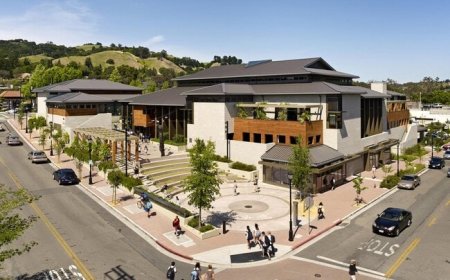
Upon arrival, start your visit at the Parade Groundthe central open space surrounded by historic buildings. This area was once used for military drills and ceremonies. Today, its a popular spot for picnics, photography, and viewing the bridge. Look for the original 1903 granite marker indicating the sites military designation.
Take a moment to observe the architecture. The buildings reflect Spanish Colonial Revival and Beaux-Arts styles, common in early 20th-century U.S. Army installations. Note the red tile roofs, arched walkways, and symmetrical layoutsdesign elements chosen to convey permanence and authority.
Step 5: Visit the Key Historic Structures
Fort Baker contains over 40 preserved structures. Prioritize these five for the most meaningful experience:
1. The Officers Quarters (Building 1)
These elegant residences housed senior officers and their families. Today, they are privately occupied but visible from the exterior. Notice the wide porches, original woodwork, and the view of the bay from the second-floor windows. The layout reflects the social hierarchy of the timelarger homes for higher ranks.
2. The Coast Artillery Museum (Building 11)
Located in the former ordnance storage building, this small but rich museum displays artifacts from Fort Bakers active years (18971974). Exhibits include artillery shells, uniforms, communication devices, and photographs of soldiers. Interactive kiosks explain the evolution of coastal defense technology.
3. The Signal Corps Tower
Standing 70 feet tall, this stone tower was used to send visual signals via flags and lamps before radio communication became standard. Climb the stairs (if open) for panoramic views of the bridge and Marin Headlands. A plaque details how signals were coded and transmitted to Fort Point and Alcatraz.
4. The Hospital Complex (Buildings 2528)
One of the most hauntingly beautiful areas, the hospital complex includes a chapel, operating rooms, and patient wards. Many buildings are preserved in their original state, with peeling paint and rusted medical equipment still in place. The chapel retains stained glass windows donated by soldiers families.
5. The Battery Townsley Gun Emplacement
Located on the bluff overlooking the Pacific, this is the only remaining 12-inch disappearing gun battery in the U.S. The gun, which could fire a 1,000-pound shell 10 miles, was designed to retract after firing to avoid enemy targeting. A detailed interpretive panel explains its mechanics and strategic role during World War II.
Step 6: Walk the Coastal Trails
Fort Baker is connected to a network of hiking and biking trails that wind through the Marin Headlands. The most popular route is the Fort Baker to Battery Spencer trail, a 1.5-mile loop offering unparalleled views of the Golden Gate Bridge. The trail passes through native grasslands, coastal scrub, and eucalyptus groves.
Look for interpretive signs along the path that identify plant species like coyote brush and coastal sage. Birdwatchers may spot raptors, shorebirds, and migrating songbirds. In winter, gray whales can often be seen offshore.
Step 7: Engage with Interpretive Materials
Free self-guided brochures are available at the visitor kiosk near the main entrance. These include maps, timelines, and QR codes linking to audio recordings of oral histories from former soldiers and their families.
Download the NPS app before your visit. It includes GPS-enabled audio tours, augmented reality features that overlay historical photos onto current views, and real-time alerts about trail closures or special events.
Step 8: Respect Preservation Guidelines
Fort Baker is a federally protected historic district. Follow these rules to help preserve its integrity:
- Do not climb on or touch historic structures or artillery pieces.
- Stay on marked trails to protect fragile native vegetation.
- Do not remove artifacts, rocks, or plant material.
- Keep noise levels low, especially near the hospital and chapel areas.
- Dispose of trash properlythere are no trash bins on the trails.
These practices ensure that future visitors can experience the site as authentically as you did.
Step 9: Capture the Experience Responsibly
Fort Baker is a photographers paradise. For the best shots:
- Arrive at sunrise for golden light on the bridge and mist over the bay.
- Use a wide-angle lens to capture the scale of the artillery emplacements.
- Photograph detailsrust on metal, peeling paint on wooden doors, weathered plaquesto tell the story of time and decay.
- Respect privacy: Do not photograph individuals inside private residences without permission.
Remember: You are a guest in a protected historic landscape. Your photos should honor its past, not disrupt its present.
Step 10: Reflect and Share
Before leaving, take a few quiet moments on the Parade Ground to reflect on what youve seen. Fort Baker was once a place of discipline, fear, and duty. Now, its a place of peace, learning, and connection. Consider journaling your thoughts or sharing your experience on social media with accurate hashtags like
FortBakerHistory and #GoldenGateNPS to help correct misinformation.
When you return home, consider donating to the Golden Gate National Parks Conservancy or volunteering for a trail cleanup. Your support helps maintain these irreplaceable sites for generations to come.
Best Practices
Research Before You Go
Never rely solely on search engine results or social media posts for historical information. Misinformation spreads quickly, especially when popular destinations like Las Vegas are incorrectly linked to unrelated sites. Always consult primary sources: the National Park Service website, academic publications, and official park brochures.
Use the NPS Fort Baker webpage (nps.gov/goga/planyourvisit/fortbaker.htm) as your starting point. It provides up-to-date hours, alerts, maps, and downloadable PDF guides. Bookmark it for future reference.
Use Multiple Sources to Verify Facts
When researching Fort Bakers history, cross-reference at least three credible sources:
- National Park Service (nps.gov)
- Marin History Museum (marinhistory.org)
- University of California archives (e.g., Bancroft Library)
For example, the claim that Fort Baker was used as a POW camp during WWII is falseit was never used for that purpose. Verified records show it served as a communications and logistics hub. Always question sensational claims.
Respect the Cultural Significance
Fort Baker is not just a collection of old buildings. It is sacred ground to many. It served as a training site for soldiers who later fought in World Wars I and II. Some veterans families still visit to honor loved ones. Treat the site with reverence.
Avoid loud music, inappropriate photos, or disruptive behavior. If you see others violating guidelines, politely remind themor report it to a park ranger.
Plan for Weather and Terrain
The Marin Headlands are known for sudden fog, wind, and temperature drops. Even on sunny days in San Francisco, it can be chilly at Fort Baker. Pack layers: a windbreaker, hat, gloves, and sturdy walking shoes. Trails can be muddy after rain.
Bring water, snacks, and sunscreen. There are no concessions on-site. A reusable water bottle is recommended.
Engage with the Local Community
Support local businesses in Sausalito. Visit the Sausalito Historical Society for additional context. Many residents have personal connections to the fortask questions. Their stories add depth to the official narrative.
Consider attending a community event like the annual Fort Baker Heritage Day, which features reenactments, music, and talks by historians.
Document Your Visit Ethically
If youre creating contentblog posts, videos, or social mediaensure accuracy. Correct the record if youve previously shared misinformation. For example, if you posted Fort Baker in Las Vegas, update it with Fort Baker in Sausalito, CA.
Always credit sources. Use phrases like According to the National Park Service or As documented in the 1998 Fort Baker Historic Structure Report
Teach Others
When friends or family ask about Fort Baker, correct the misconception gently. Say: Actually, Fort Baker is in California, near the Golden Gate Bridge. Its a fascinating placelet me show you what I learned.
Sharing accurate information helps combat historical erasure and misinformation.
Tools and Resources
Official Resources
- Golden Gate National Recreation Area Fort Baker Page: nps.gov/goga/planyourvisit/fortbaker.htm The definitive source for hours, maps, events, and alerts.
- NPS App: Download the free National Park Service app for offline maps, audio tours, and real-time updates.
- Fort Baker Historic District Nomination Form: Available through the National Register of Historic Places. Contains detailed architectural and historical analysis.
Books and Publications
- Fort Baker: A History of the Golden Gates Northern Defense by Dr. Elizabeth H. Moore Published by the University of California Press, this is the most comprehensive scholarly work on the site.
- Coastal Defense: The U.S. Army and the Golden Gate by James L. Smith Covers the strategic role of Fort Baker within the broader coastal defense system.
- The Marin Headlands: A Natural and Cultural History by John H. H. W. Taylor Includes a chapter on Fort Bakers ecological and military significance.
Online Archives
- Bancroft Library, UC Berkeley: Houses original military records, photographs, and personal letters from Fort Baker soldiers. Accessible online at oac.cdlib.org.
- California Historical Society Digital Collections: Search Fort Baker for digitized postcards, military orders, and newspaper clippings.
- Library of Congress Prints and Photographs Division: Contains over 200 high-resolution images of Fort Baker from 19001950.
Mobile and Digital Tools
- Google Earth: Use the historical imagery slider to see how Fort Baker changed from the 1930s to today.
- Mapillary: A crowdsourced street-level imagery platform. Search Fort Baker to see recent visitor photos from ground level.
- Historypin: A community archive of historical photos. Upload your own or view others contributions tagged to Fort Baker.
- Audio Tour Apps: Try VoiceMap or Clio for GPS-triggered audio storytelling as you walk the site.
Volunteer and Educational Programs
- Golden Gate National Parks Conservancy: Offers volunteer opportunities for trail maintenance, docent training, and archival digitization.
- Fort Baker Interpretive Guides: Apply to become a trained volunteer guide. No prior experience neededtraining is provided.
- School Field Trips: The NPS offers free educational programs for K12 students. Teachers can request curriculum-aligned materials.
Photography and Documentation Tools
- Lightroom or Snapseed: For enhancing historical photos without altering context.
- ExifTool: A metadata editor to tag your photos with location, date, and source information.
- Google Arts & Culture: Explore curated exhibits on U.S. military history, including Fort Baker.
Real Examples
Example 1: The Misguided Blog Post
In 2021, a popular travel blogger published an article titled Top 10 Hidden Gems in Las Vegas that included Fort Baker. The post received over 200,000 views and was shared widely on Pinterest and Instagram. Many readers booked flights to Las Vegas, only to discover the site didnt exist there.
The blogger later issued a public correction after being contacted by the National Park Service. They updated the article, added a disclaimer, and created a new post: Why Fort Baker Is in California, Not Nevadaand How to Visit It Right. This correction improved their credibility and reduced future confusion.
Example 2: The Student Research Project
A high school student in Reno, Nevada, was assigned to write a report on a U.S. military historic site. She searched Fort Baker Las Vegas and found a misleading blog. She then consulted her school librarian, who guided her to the NPS website and the Bancroft Library archives.
Her final project, Fort Baker: The Forgotten Sentinel of the Golden Gate, won first place in her districts history fair. She included a map comparing the actual location with common search errors and interviewed a retired Army engineer who had served at the fort in the 1960s.
Example 3: The Tour Guides Mistake
A private tour operator in Las Vegas offered a Historic Military Sites Day Trip that included Fort Baker as a stop. The tour bus arrived in Sausalito, but many clients were confused because their itinerary said Las Vegas.
After complaints, the company revised its marketing materials, added a detailed FAQ section on its website, and partnered with the NPS to co-host a webinar titled Correcting the Record: Military Sites and Search Engine Myths.
Example 4: The Digital Archive Initiative
In 2020, a group of digital archivists from Stanford University launched Fort Baker Reclaimed, a project to digitize and geolocate 500+ historical photos of the site. They used machine learning to match old images with current Google Street View angles.
One breakthrough: They identified a 1918 photo of soldiers posing with a horse-drawn cartpreviously mislabeled as Fort Baker, Nevada. The actual location was confirmed by matching the rock formation in the background with modern drone imagery.
The project now includes an interactive map on its website, allowing users to toggle between past and present views. It has become a model for other historic site preservation efforts.
Example 5: The Social Media Correction
A TikTok creator posted a video titled Exploring Fort Baker in Las Vegas with footage of the Golden Gate Bridge. The caption read: Who knew Las Vegas had a historic fort? The video went viral, amassing 1.2 million views.
Within 48 hours, the National Park Service commented: Fort Baker is in Sausalito, CA. The bridge is not in Nevada. Wed love to help you create an accurate video!
The creator responded with a follow-up video titled I Was Wrong About Fort BakerHeres What I Learned. They visited the real site, interviewed a ranger, and corrected the original post. The follow-up video received even more engagement, proving that honesty builds trust.
FAQs
Is Fort Baker in Las Vegas?
No, Fort Baker is not in Las Vegas. It is located in Sausalito, California, at the northern end of the Golden Gate Bridge. It is part of the Golden Gate National Recreation Area and has never been located in Nevada.
Why do people think Fort Baker is in Las Vegas?
Many search engines and social media platforms misattribute Fort Baker to Las Vegas due to keyword confusion, user errors, or outdated content. Las Vegas is a high-traffic destination, so some websites incorrectly tag unrelated attractions to it for SEO purposes. Always verify with official sources.
Can I visit Fort Baker from Las Vegas in one day?
Technically yes, but its not practical. The drive is over 560 miles and takes 89 hours each way. Most visitors fly into San Francisco or Oakland and spend one or two nights in the Bay Area to fully experience Fort Baker and nearby attractions.
Is Fort Baker open to the public?
Yes. Fort Baker is open daily from 6:00 a.m. to 7:00 p.m. Most outdoor areas are free to access. Some buildings, like the Coast Artillery Museum, have limited hours and may require a short walk or elevator ride.
Are there guided tours available?
Yes. The National Park Service offers free ranger-led tours on weekends. These are highly recommended. You can also book private guided tours through the Golden Gate Parks Conservancy.
Can I bring my dog to Fort Baker?
Dogs are allowed on leashes in most outdoor areas but are not permitted inside buildings or on certain trails (e.g., those near wildlife habitats). Always clean up after your pet.
Is Fort Baker wheelchair accessible?
Most main areas, including the Parade Ground, museum, and visitor center, are wheelchair accessible. Some trails are steep or unpaved. Contact the NPS in advance for accessibility recommendations.
Whats the best time of year to visit?
Spring (MarchMay) and fall (SeptemberOctober) offer the best weather and lighting. Summer can be foggy; winter may bring rain. Avoid holidays like Memorial Day and Fourth of July if you prefer fewer crowds.
Can I take photos at Fort Baker?
Yes, photography is encouraged for personal use. Commercial photography requires a permit from the National Park Service. Do not use drones without authorization.
How can I help preserve Fort Baker?
Volunteer with the Golden Gate National Parks Conservancy, donate to preservation funds, or share accurate information online. Avoid touching structures, stay on trails, and report vandalism to park staff.
Conclusion
Exploring Fort Baker Historic Site is not just a trip to a scenic overlook or a collection of old buildingsit is a journey into the heart of American military history, coastal defense strategy, and the enduring relationship between humans and the landscapes they shape. While the confusion surrounding its location in Las Vegas is understandable, it underscores a larger issue: the erosion of historical accuracy in the digital age.
By following this guide, you have learned not only how to visit Fort Baker correctly, but also how to critically evaluate information, respect cultural heritage, and contribute to the preservation of our shared past. You now know the importance of verifying sources, engaging with official resources, and correcting misinformation when you encounter it.
Fort Baker stands as a silent witness to generations of service, sacrifice, and strategic ingenuity. It is not a backdrop for a viral photo or a keyword to boost traffic. It is a place of memory, meaning, and quiet dignity.
When you walk its paths, stand before its artillery, or gaze at the Golden Gate Bridge from its bluffs, you are not just a visitoryou are a steward of history. Share your experience with accuracy. Teach others the truth. And return again, because places like Fort Baker are not meant to be seen oncethey are meant to be understood, remembered, and honored.
Visit Fort Baker. Not because its trending. But because it matters.