

















How to Select the Ideal Technology Stack for Uber Clone App Development
Choosing the right tech stack is key for scalable Uber clone app development. Learn how to make the best decisions for speed, cost, performance, and growth.
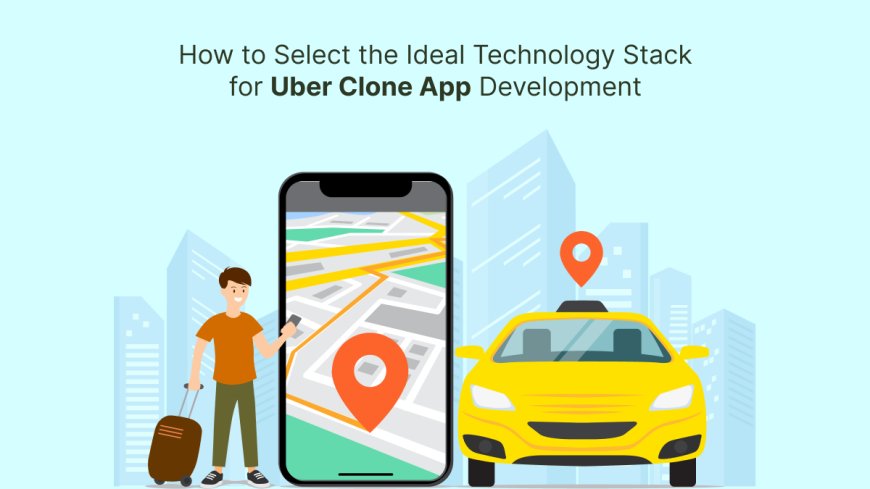
Building an Uber clone app isnt just about replicating its features its about creating a reliable, scalable, and user-friendly platform that performs under real-world demand. One of the most critical decisions in this journey is choosing the right technology stack. From real-time geolocation to secure payments and seamless user experience, your tech stack influences everything speed, scalability, and future updates.
If youre planning to launch a ride-hailing app for startups, taxi fleets, or even enterprise-level operations, this guide will help you choose the ideal technology stack to support your business goals.
Why the Right Tech Stack Matters in Uber Clone App Development
Your app's tech stack determines:
- Performance during peak usage times
- Scalability as your user base grows
- Development cost and speed
- App security and data protection
- Ease of maintenance and future upgrades
Choosing poorly can lead to laggy interfaces, failed requests, security issues, or expensive reworks. Thats why aligning with an experienced app development company that understands ride-hailing requirements is vital.
Core Components of an Uber Clone App
Before diving into technology, understand the building blocks of an Uber-like app:
- Rider App Book rides, track driver, make payments
- Driver App Accept requests, navigate, manage earnings
- Admin Panel Monitor operations, manage users, set pricing
- Backend Server Processes data, handles requests, connects all components
Each part demands specific technologies for optimal performance.

Recommended Tech Stack for Uber Clone App Development
Lets break down the ideal tech stack by functionality:
Frontend (Mobile Apps)
These are the apps used by riders and drivers. You want cross-platform development to reduce cost and time.
- Flutter Googles open-source framework for building native apps for iOS and Android with a single codebase.
- React Native Developed by Meta, offers reusable components and fast development.
Both options are excellent for real-time apps and provide native-like performance.
Backend Development
Your backend handles core functionalities like trip matching, fare calculation, notifications, and analytics.
- Node.js Non-blocking, event-driven architecture ideal for real-time apps
- Laravel (PHP) Clean structure and fast to develop, good for MVPs
- Django (Python) Secure, fast, and scalable
- Ruby on Rails Great for rapid development with clean syntax
Node.js is often preferred due to its speed and ability to handle thousands of concurrent users.
Database
Ride-hailing apps involve a lot of dynamic data trips, users, payments, ratings, and more.
- MongoDB NoSQL database ideal for high-volume data and flexible structure
- PostgreSQL Open-source SQL database known for reliability and complex queries
- MySQL Traditional and widely used, suitable for moderate scale apps
MongoDB works well when paired with Node.js for real-time apps.

Real-Time Location Tracking
- Google Maps API Industry standard for accurate maps and navigation
- Mapbox Cost-effective alternative with beautiful UI customizations
- OpenStreetMap Open-source alternative, customizable and license-free
Google Maps is the safest bet for startups, thanks to its detailed data and support.
Notifications and Communication
- Firebase Cloud Messaging (FCM) For sending push notifications in real time
- Twilio For SMS verification and in-app calling between drivers and riders
- Socket.io Real-time bidirectional communication (especially for ride status updates)
Real-time communication is crucial in ride-hailing. A lag can result in lost trips and unhappy users.
Read More: Start a Ride-Hailing Business with Taxi Clone App
Payment Gateway Integration
- Stripe Secure and developer-friendly
- Razorpay Ideal for Indian market
- PayPal Global presence and trust
- Braintree Supports multiple payment types including wallets
Make sure the gateway supports multi-currency if you're targeting international users.
Cloud Hosting & Storage
- AWS (Amazon Web Services) Scalable, secure, and packed with services
- Google Cloud Platform Excellent analytics and data services
- Microsoft Azure Enterprise-friendly and robust
Cloud infrastructure ensures your app can scale as demand increases.
Security & Compliance Considerations
When selecting your tech stack, security should never be an afterthought. You must protect user data, payment info, and location details.
Ensure your backend uses:
- SSL encryption
- OAuth 2.0 authentication
- Role-based access controls
- GDPR and local data protection compliance
Choose a tech partner that prioritizes secure coding practices and regular audits.
Cost Considerations
Your tech choices influence your overall budget. Heres a rough breakdown of how your stack can impact:
|
Component |
Cost Impact (High/Medium/Low) |
Notes |
|
Cross-platform apps |
Low |
Saves time and cost with one codebase |
|
Node.js backend |
Medium |
Fast but needs experienced developers |
|
Google Maps API |
Medium-High |
May incur usage costs as you scale |
|
Firebase/Socket.io |
Low |
Affordable for real-time communication |
|
AWS Hosting |
Scalable |
Pay as you grow |
Choosing a smart stack early helps you avoid major rebuilds later.
Tips for Making the Right Tech Stack Decision
- Define your goals clearly MVP vs. full product launch
- Prioritize scalability Even if you start local, plan to grow
- Balance speed with quality Don't cut corners on backend
- Hire an expert Choose an on demand app development company with proven experience in taxi app solutions
- Test thoroughly Build, test, improve, repeat
FAQs
Whats the best tech stack for a scalable Uber clone?
A combination of Flutter (frontend), Node.js (backend), MongoDB (database), and Google Maps API is commonly used for scalability and performance.
Should I use native or cross-platform for mobile apps?
Cross-platform frameworks like Flutter or React Native save time and cost while delivering near-native performanceideal for startups.
Can I switch my tech stack later?
Yes, but it can be costly. Choosing the right stack from the start avoids unnecessary migration expenses later.
Is Firebase enough for real-time needs?
Yes, Firebase (combined with Socket.io) is sufficient for push notifications, real-time updates, and chat functionalities.
How do I ensure my app is secure?
Implement SSL, token-based authentication, regular code reviews, and follow GDPR/data laws. Partnering with a secure-focused development team is key.
Conclusion
Choosing the right technology stack is the backbone of successful Uber clone app development. It shapes your apps speed, scalability, security, and user experience. By aligning your tech decisions with your business goalsand working with a skilled on demand app development companyyou can build a robust ride-hailing platform ready for todays competitive on-demand economy. The right stack doesnt just power your app; it powers your growth.