



















How to Spot Hidden Treasures Along Annapurna’s Wicked Path
The Annapurna Circuit is perfect for solo travelers, backpackers, and guided trekkers seeking Nepal’s most dramatic terrain.
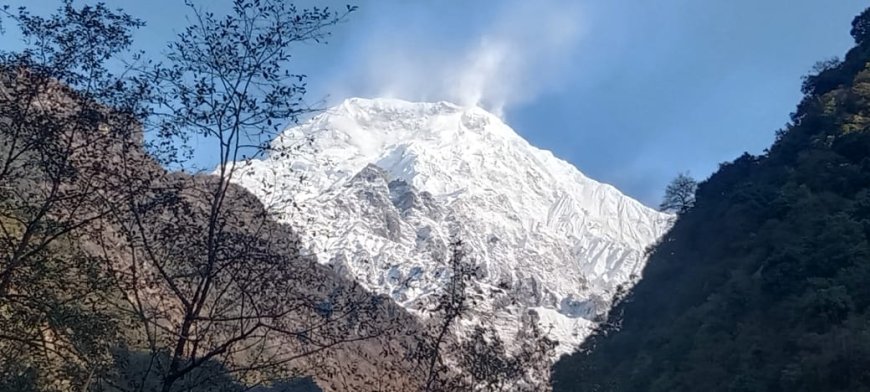
The treks of Annapurna are renowned as much for their jaw?dropping views and adrenaline-pumping ascents as for the fact that when you think youve seen it all, along comes the wicked path to prove you wrong. Hidden from the high-footfall trail are hidden viewpoints, ancient shrines, glassy tarns, and cultural gemstones that could turn a regular trek into a real journey of the senses. Coming across these gemstones is more than simply following the principal trail; you want curiosity, guidance, and a desire to explore small detours that most people miss.
As you weave through rhododendron woodland and climb over the rockiest of ridges, educate your eye to look for the glimmers of faint cairns, mark the space of ringing prayer bells of a cliff?side gompa, and be aware of little streams that would simply lead you to hidden alpine lakes. Meet villagers who will monitor the oral histories of these hidden monasteries and family-run homestays in which genuine Nepali hospitality awaits. Timing is the whole lot, too: the seasonal rhododendron blossoms, monsoon-fed waterfalls, and crisp autumnal skies all expose an extraordinary facet of the locations shy splendor.
This manual will offer you a few 6 neat tricks to track down Annapurnas pleasant?stored secrets and techniques. Youll find out a way to examine the shape of the land for that unique vantage factor, follow on your publications footsteps to historical gompas (monasteries), find small lakes off the crushed course, take a look at off rare natural world sights and locate homestays that keep traditions and fees intact, and how to plot your journey around have to-see seasonal spectacles. Armed with knowledge like this, your Annapurna trek will become an odyssey of exploration, coming across treasures hidden simply off the beaten path where the authentic attraction of the Himalayas is reserved for those adventurous enough to look.
Find Hidden Teahouses and Homestays
Seasonal Wonders on Your Walk) The forest floor of ur explore while along mile 4.4 Visit the forest floor while thef Asen changes on you Hike through a meadow forest, this 4.4-mile forest floor while the season as persists 10oma 6ade the forest floor while the se A SALVA Nature, Adventure, and Simple Living in the NW fi 4.4mi 800ft pA.
Scan the Landscape for Secret Vantage Points
The maximum stunning perspectives of Annapurna arent usually along the primary path. Vialooking at topographic maps and noticing tiny adjustments inside the panorama including small ridgelines, saddle points, and herbal clearings you can start to figure out where hidden overlooks are probably. Unmarked facet paths main to those secret perches are often marked by means of cairns (small rock piles). Sunbeams bring out ridgeline details, rendering vantage points more visible. A GPS app can validate the elevation gains and make navigating to these sites more assured. Finding one of its private overlooks, surrounded by snow?capped peaks that appear to endure forever, can be like heavens hidden treasure.
Join Local Legends on Pilgrimage to Ancient Monasteries
Centuries-old gompas and shrines are hidden in the cloisters of Annapurnas valleys, rarely seen by the casual trekker. Those sanctuaries normally sit on cliff crags or in cave clearings, on hand accessible only using faint trails. To locate them, query village elders or your manual approximately nearby legends and pilgrimage routes. You may be brought to a distant gompa in which fluttering prayer flags and hand?carved mani partitions lend an air of tranquil spirituality. In case you arrive at sunrise, you could have a look at priests chanting, and formal services an intimate insight into the Himalayan subculture that few trekkers witness.
Find Lone Alpine Lakes Off The Beaten Path
To the end and beyond, established ferries such as Tilicho and Gosainkunda have smaller tarns farther beyond that are less frequented, their icy peaks mirrored with glassy precision. Look out for the little feeder streams or debris chutes that branch off the principal flow up near the high passes or alpine meadows. These unsigned facet routes, on occasion, lead to glacial ponds ringed with wildflowers and without human din. The first-rate time to hike it is in the late spring, whilst the snowmelt inundates these basins and alpine vegetation blooms. Your packing list ought to include light-weight water-resistant footwear for short bushwhacks. Find a hidden lake.e The surreal view of a secret lake feels like your own private Himalayan paradise.
Spot Rare Flora and Fauna in Secret Forests
The biodiversity of Annapurna isn't always restricted to its mythical peaks; endangered species and medicinal flowers may be found inside the forests of its valleys. At sunrise and dusk, discover rhododendron and alpine groves to identify the Himalayan monal pheasant, musk deer tracks, or maybe snow leopard prints in case you are fortunate. Search for clusters of yarsagumba (the coveted caterpillar fungus) on mossy slopes. Listening [listen] for foul vocalizations and seeking out damaged branches and droppings lets you discover such herbal treasures. A pair of binoculars and a discipline guide will provide you with a better risk to identify those frequently difficult-to-see wonders.
Find the Real Homestays and Tea House Gassas
Many trekkers adhere to standard stops, but the true hospitality is found in family?run homestays away from the well-trodden path. Look for villages such as Tadapani East or Jhinu on minor detours; there you will find cosy stone houses where you're served butter tea and home-cooked meals as you are welcomed with genuine warmth. These hosts are not in the business of tourism they are sharing a way of life. Sleeping in a remote homestay often facilitates unplanned cultural exchanges: learning traditional songs, sharing meals by yak?dung fires, and waking to the far-off sound of temple bells. These organic stops are treasures of human engagement.
Time Your Hike to See Natures Show of the Season
Every season, well-known shows its secret spectacle: springs colorful rhododendron bursts carpet decrease slopes in red and pink, monsoon rains swell tumbling waterfalls in July and August, autumn gives the clearest mountain perspectives, and winter coats the valleys in clean snow. Plan your trek window to coincide with such correct instances late April for flowers, early September for golden hillside terraces, February for pristine snowfields. By timing your trip with the nature calendar, you will stumble across ephemeral finds spoils that disappear as surely as the seasons themselves, ensuring that your Annapurna experience will be an unforgettable one.
Is the Annapurna Trek hard?
The difficulty of most treks for the Annapurna trek varies from one route to another. The Annapurna Base Camp (ABC) trek is graded as slight and calls for 5 to 7 hours of hiking every day on hard trails, once in a while steep stone steps, and with a maximum altitude of 4,130 meters. The Annapurna Circuit trek is likewise better and longer, and reaches as high as 5,416 meters at Thorong La pass. Each demands brilliant fitness, stamina, and acclimatization, but no longer technical mountain climbing skills.
Can a beginner climb Annapurna?
Sure, an amateur with exact physical fitness and right acclimatization can do the Annapurna Base Camp trek. It is an extraordinarily smooth trek by means of the Himalayan requirements and one of the most popular of the less technical peaks. Beginners ought to focus on bodily conditioning, getting educated approximately altitude sickness, and may bear in mind hiring a guide for help. The Annapurna Circuit trek is barely greater difficult and perhaps much less properly acceptable to complete beginners.
What is the nearest village to Annapurna Base Camp?
Machapuchare Base Camp (MBC) is the closest village to Annapurna Base Camp. Annapurna Base Camp is a rigorous climb of about 2-3 hours from Machapuchare Base Camp. Youll also hike through villages like Chomrong and Deurali, which are popular resting spots on the way to the bottom camp.
How hard is the ABC base camp?
Annapurna Base Camp treks are relatively moderate in terms of the difficulty level. You will be hiking along well-defined trails with a gradual altitude gain -no technical climbing involved. Tiredness, difficulty breathing, and light to moderate altitude sickness are a result of the long hours spent hiking, the steepness of the climbs, and the altitude, which can reach 4,765 metres. Good pacing, acclimatization fitness have made this trek successful for the masses.