



















The Complete Guide to Tree Removal: Safety, Cost, and Best Practices
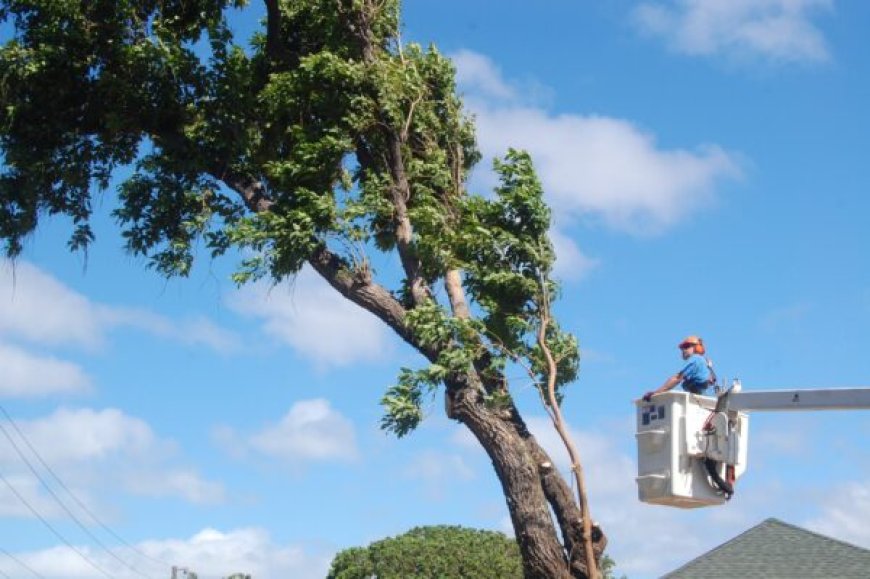
Tree removal is the process of safely cutting down a tree and removing it from your property. Its a job best left to the professionals, especially when the tree is large, near structures, or leaning in a dangerous direction.
Why Tree Removal is Sometimes Necessary
Although trees are valuable to the environment and our landscapes, sometimes they pose a risk or hinder progress. Whether its dead, diseased, or in the way, some trees simply need to go for safety or space.
? When Should a Tree Be Removed?
Signs of a Dead or Dying Tree
-
Brittle or falling branches
-
No leaves during growing season
-
Cracks or holes in the trunk
-
Fungi growing at the base
Structural or Safety Hazards
-
Leaning dangerously
-
Roots lifting sidewalks or foundations
-
Branches near power lines
Construction or Landscaping Projects
You might need a tree removed to:
-
Build a new structure
-
Install a pool
-
Create an open space for landscaping
? Common Reasons for Tree Removal
Disease and Pest Infestation
Trees infected with fungus, rot, or pests like termites and beetles can spread issues to surrounding trees or structures.
Storm or Weather Damage
After strong storms, trees can be split, uprooted, or weakened making them dangerous if not removed.
Property Damage Prevention
Overgrown roots can crack foundations, and limbs might break windows or roofs during heavy winds.
Invasive Tree Species
Some species grow aggressively and choke out native plants, requiring removal to restore ecological balance.
?? Tree Removal Methods
Manual Tree Cutting
Chainsaws and hand tools are used when theres clear space and minimal risk.
Crane-Assisted Removal
For large trees in tight spaces, cranes lift out sections to prevent damage to surroundings.
Sectional Dismantling
Branches and trunk pieces are removed in stages, ideal for trees near buildings.
Felling (If Space Allows)
Cutting the tree at the base and letting it fall effective but requires plenty of open land.
? Step-by-Step Tree Removal Process
1. Initial Assessment
A professional inspects the trees condition, height, and surroundings to choose the safest removal method.
2. Site Preparation
The area is cleared, and safety gear is set up including ropes, ladders, and sometimes traffic control.
3. Tree Cutting and Limb Removal
The tree is dismantled from the top down. Branches are cut first, followed by trunk segments.
4. Stump Grinding or Removal
You can choose to grind the stump down or have it fully removed.
5. Final Clean-Up
Debris is hauled away, leaving your yard tidy sometimes even with optional replanting services.
?? Safety Considerations in Tree Removal
The Risks of DIY Tree Removal
DIY tree work can be deadly. Falling branches, power lines, and chainsaw accidents are serious risks. One wrong cut and things can go south fast.
Professional Safety Equipment and Training
Certified arborists use helmets, climbing harnesses, saws, ropes, and pulleys plus the experience to know what theyre doing.
Common Hazards to Avoid
-
Trees under tension
-
Rotting trunks that collapse unpredictably
-
Working near electrical lines
? The Cost of Tree Removal
What Affects Tree Removal Pricing?
-
Tree height and diameter
-
Accessibility
-
Urgency (emergency = higher cost)
-
Location (urban jobs cost more)
Average Costs by Tree Size
-
Small (up to 30 ft): $150 $500
-
Medium (3060 ft): $400 $900
-
Large (6080 ft): $800 $2,000+
-
Massive or hazardous: $2,000+
Emergency vs. Scheduled Tree Removal
Emergency jobs may cost 1.52 more due to urgency, equipment, and crew availability.
? Hiring the Right Tree Removal Company
What to Look For in a Tree Removal Service
-
Years of experience
-
Positive reviews
-
Transparent pricing
-
Detailed written estimates
Licensing and Insurance
Always verify:
-
Liability insurance
-
Workers compensation
-
Certifications (like ISA)
Getting a Written Estimate
Avoid surprise costs. Get a full breakdown including removal, stump grinding, and cleanup.
? Tree Stump Options After Removal
Stump Grinding
Fast and affordable. Turns the stump into mulch and leaves the roots to decay naturally.
Full Stump Removal
Takes out the entire root system. Best if you plan to replant or build in that spot.
Leaving the Stump (Pros and Cons)
-
? Cheaper
-
? Habitat for wildlife
-
? Can attract pests or regrow
-
? Looks bad in a landscaped yard
?? Eco-Friendly Tree Removal Practices
Recycling Tree Waste
Removed trees can be turned into:
-
Mulch
-
Firewood
-
Furniture-grade lumber
Replanting After Removal
Many pros offer tree replacement choose a native species to restore beauty and balance.
? Tree Removal Myths Debunked
Tree Roots Stop Growing After Removal
Not always true. Some species roots keep growing or sprouting new shoots.
Any Tree Can Be Removed Easily
Big, old trees near homes or wires require expert planning and special equipment.
? Conclusion
Tree removal is a serious job that should never be taken lightly. Whether its due to safety, damage, or development needs, hiring a professional ensures the work gets done right safely, efficiently, and cleanly. Always weigh the costs, risks, and benefits before making a move.
? FAQs
1. Can I remove a tree myself?
Only if its small and in a safe area. For anything larger, call a pro.
2. Will my insurance cover tree removal?
Yes, if the tree is damaged or dangerous. Not usually for preventive or cosmetic removal.
3. How long does tree removal take?
Anywhere from 1 hour to a full day depending on size and complexity.
4. Is stump grinding necessary after tree removal?
Not mandatory, but highly recommended to prevent regrowth and improve aesthetics.
5. What happens to the tree after its removed?
It can be chipped into mulch, cut into firewood, or hauled away for disposal or recycling.