


















What Startups Need in a Printed Circuit Board Supplier

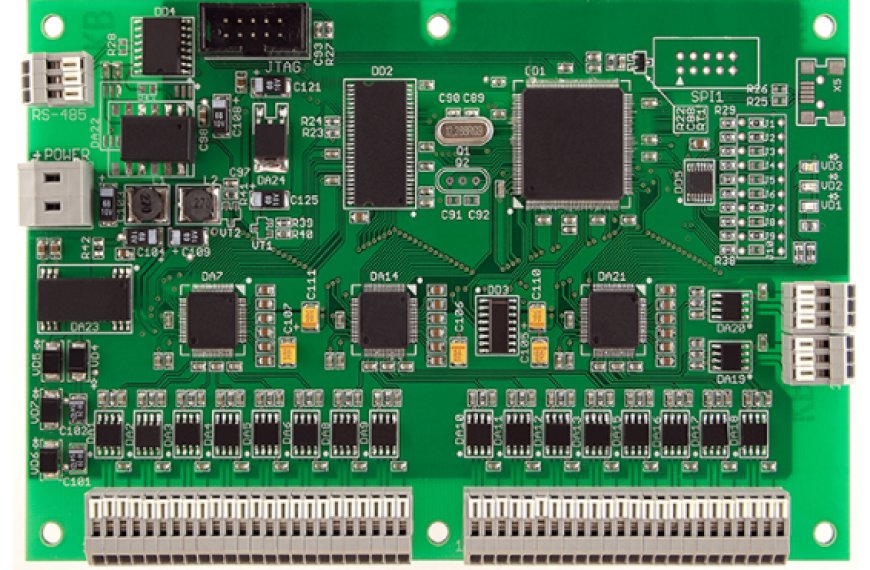
In the ever-evolving world of technology, startups are often at the forefront of innovation. Whether they are developing the next generation of wearables, IoT devices, or electric vehicles, they all share a common requirementreliable, high-quality printed circuit boards (PCBs). These foundational components are essential for bringing any electronic product to life. Choosing the right Printed Circuit Board Supplier is critical for startups looking to move quickly, scale efficiently, and maintain quality. But with so many options available, how can a startup choose wisely? In this article, well explore what startups should look for in a PCB supplier, from technical capabilities to customer support, and how to avoid common pitfalls.
1. Technical Capabilities and Expertise
The first and most important consideration is whether the supplier can meet your technical requirements. Startups often work on unique products that require specialized boardsflexible, rigid-flex, HDI, or multilayer. A capable Printed Circuit Board Supplier should offer a wide range of PCB types and fabrication techniques to support innovation.
For example, if your product involves high-frequency signals, your supplier should have experience with controlled impedance and advanced materials like Rogers or Teflon. Need micro-vias or blind/buried vias? That should also be within their expertise. Startups should find out more about each suppliers equipment, tolerances, and turnaround times before committing.
2. Rapid Prototyping Services
Speed is often a top priority for startups racing to validate their ideas and impress investors. A good PCB partner should offer rapid prototyping with fast lead timesideally within 24-72 hours. Additionally, the ability to iterate quickly without sacrificing quality is a hallmark of a strong supplier.
When evaluating options, check over here and look for services that support both small-batch prototyping and volume production. This helps startups transition smoothly from prototype to market-ready product without changing vendors midwaya costly and time-consuming process.
3. Quality Assurance and Certifications
Quality isnt optionalespecially for startups with limited capital and tight development timelines. A single faulty board can derail product testing and delay your go-to-market strategy. A reliable Printed Circuit Board Supplier should have rigorous quality assurance protocols in place.
Startups should verify if the supplier is certified to industry standards such as ISO 9001, IPC-A-600, or UL. These certifications are not just paperworkthey demonstrate a commitment to process control and consistent quality. Its also wise to ask if they perform electrical testing, X-ray inspections, and AOI (Automated Optical Inspection) on all boards.
4. Transparency and Communication
Startups thrive on agility and fast feedback loops, and they need suppliers who match that pace. Communication is a vital piece of the puzzle. When a board is delayed, when a design issue is detected, or when a part is out of stock, you want a supplier who alerts you immediately and offers a solutionnot someone who leaves you guessing.
Choose a supplier that offers dedicated customer support, preferably with a single point of contact. Responsiveness, technical support, and clear documentation are essential. If you're unsure, you can go right here to read customer testimonials and reviews. They often provide candid insights into how well the supplier communicates and resolves issues.
5. Cost Efficiency without Compromising Quality
Budget constraints are a reality for most startups, but cutting corners on your PCB supplier is rarely worth the savings. The goal should be cost-efficiencynot simply the lowest price. A cheap board that fails under testing or in the hands of users could cost more in the long run through delays, returns, or recalls.
That said, a good Printed Circuit Board Supplier should be transparent with pricing and offer options at different tiers. Look for suppliers that provide online quoting tools, clear BOM (Bill of Materials) breakdowns, and no hidden fees. Some may even offer design-for-manufacturing (DFM) feedback to help reduce costs without compromising performance.
6. Scalability for Growth
While early-stage startups may only need a few dozen boards, scaling production quickly is often necessary once the product gains traction. A supplier that only focuses on prototyping may not be able to handle large-volume orders. Conversely, a large-volume manufacturer may not prioritize your small orders in the early stages.
A flexible Printed Circuit Board Supplier should be able to grow with your company, offering low to high-volume production under one roof. This continuity ensures consistency in quality and fewer logistical headaches. If you're aiming to build long-term relationships, it's worth your time to find out more about how each supplier supports scale-up efforts.
7. Supply Chain Integration and Turnkey Solutions
Some suppliers go beyond PCB fabrication and offer turnkey servicescomponent sourcing, PCB assembly (PCBA), testing, and even logistics. This can significantly reduce the number of vendors you need to manage and streamline your production cycle.
For startups with limited resources, turnkey solutions offer convenience and reduced overhead. You may check over here for suppliers that support full-stack services and can act as an integrated partner throughout your hardware development journey.
8. Location and Lead Times
While overseas suppliers may offer cost advantages, local or regionally located PCB manufacturers can drastically reduce lead times and ease communication. Especially for time-sensitive projects, domestic suppliers can offer peace of mind through faster shipping and easier support.
That said, if you're considering international suppliers, ensure they have a good track record with customs clearance and shipping reliability. Its also important to factor in time zone differences and how that might impact responsiveness.
Conclusion
For startups navigating the challenging path from concept to commercialization, choosing the right Printed Circuit Board Supplier can be a defining factor. The ideal partner should not only meet technical specifications but also align with your timeline, budget, and growth trajectory.
By focusing on suppliers that offer flexibility, quality, and proactive communication, startups can mitigate risk and accelerate product development. Dont rush the selection processfind out more, read reviews, and request samples before making a commitment. The right PCB supplier isnt just a vendortheyre a strategic partner in your innovation journey. Whether youre in the early prototyping phase or preparing for full-scale production, take the time to go right here and research thoroughly. Your startups success may well depend on it.