


















Optimizing Supply Chains with AI Consulting: A Guide for Efficiency
AI consulting optimizes logistics by leveraging machine learning for route planning, cost reduction, and real-time tracking. Discover how AI enhances supply chain efficiency and customer satisfaction through tailored, data-driven solutions.

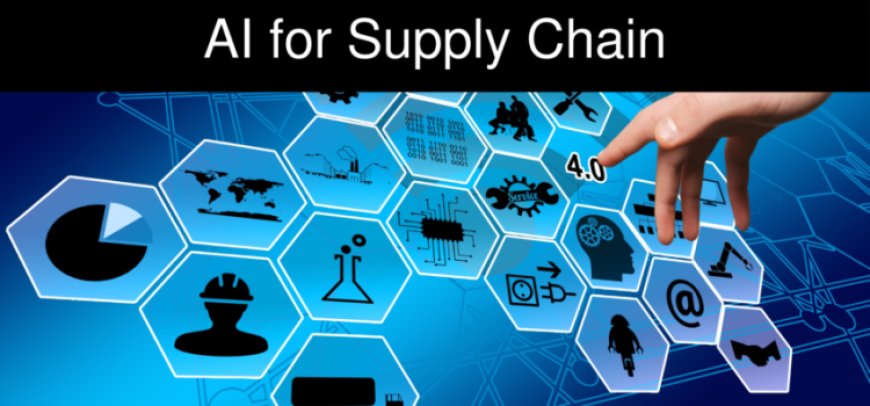
In todays fast-paced, globalized economy, supply chain efficiency is a critical driver of business success. Artificial Intelligence (AI) consulting services offer transformative solutions to streamline operations, reduce costs, and enhance resilience. By leveraging AI, businesses can navigate complex supply chain challenges, from demand forecasting to logistics optimization. This guide explores how AI consulting can boost supply chain efficiency, providing actionable steps for business leaders to achieve measurable results.
Align AI with Supply Chain Goals
The foundation of effective AI consulting lies in aligning solutions with specific supply chain objectives. Whether the goal is to minimize inventory costs, improve delivery times, or enhance risk management, AI consultants help identify high-impact use cases. For example:
-
Demand Forecasting: AI can predict customer demand with precision, reducing overstock or stockouts.
-
Logistics Optimization: Machine learning optimizes delivery routes, cutting fuel costs and transit times.
-
Risk Mitigation: AI identifies potential disruptions, enabling proactive planning.
By defining clear goals and KPIssuch as reduced lead times or cost savingsconsultants ensure AI initiatives deliver tangible value tailored to your business needs.
Assess and Enhance Data Infrastructure
In a fast-paced globalization economy, managing supply chain efficiency is a key operational driver of success for businesses in today's competitive environment. The diverse Artificial Intelligence (AI) consulting services offer different and valuable means to improve various aspects of supply chain efficiency, cutting cost, and increasing resilience to change. By deploying an AI model or solution, companies can better mitigate and solve challenges faced with complex supply chain processes ranging from demand forecasting to optimizing logistics. This guide will review how AI consulting services can assist in enhancing supply chain efficiency, with actionable steps for business leaders to help get quantifiable outcomes.
AI is very data-dependent. Therefore, a solid data infrastructure is critical for success with AI. Even the best models or AI tools cannot be effective without good quality data that is accessible and integrated into business processes. AI consulting services can assist businesses to provide this data infrastructure starting with a comprehensive audit of your data ecosystem.
The audit consists of an assessment of several key components, starting with data quality. This means checking that your data is accurate, complete, and consistent so it can provide accurate outcomes for AI. The next step is to assess data accessibility, which means checking that all information within the organization can be easily accessed, in any department, any system or from an integration between systems, so obstacles to efficient operations can be removed.
Leverage Predictive Analytics for Demand Forecasting
Accurate demand forecasting is critical for an efficient supply chain. AI consulting services use predictive analytics to evaluate historical sales, trends in the market, and external factors (e.g., weather or geopolitical events) to aid in accurate demand forecasting.
This enables companies to maintain optimal inventory levels by not over or under stocking and align production schedules with the market demand. As demand indicators will continuously change, consultants implement machine learning models that refine their learning with each new data input so as to continually improve forecast accuracy and reduce waste.
Optimize Logistics and Transportation
AI consulting is changing the game for logistics and will drastically improve efficiency and reduce costs. Logistics companies can develop an actionable plan by using machine learning algorithms to assess freight rates, traffic flow, and weather conditions. The consultant can schedule and track shipments taking into consideration these variables to ensure they are delivered on time - every time.
The main areas AI consulting can deliver value in logistics are in:
- Real-time route optimization to improve upon -time scheduling based on actual traffic
- Cost savings associated when predicting external factors that have lowering the overall fuel and transport costs, and
- Increased visibility and reduced customer dissatisfaction through order tracking and transportation updates. The consultant can further improve scheduling through IoT sensors to improve fleet tracking.
Enhance Risk Management and Resilience
Supply chain disruptionswhether from supplier issues, natural disasters, or geopolitical eventscan be costly. AI consulting services strengthen resilience by:
-
Predictive Risk Assessment: Using AI to monitor supplier performance and external risks, such as financial instability or regulatory changes.
-
Scenario Planning: Simulating disruptions to develop contingency plans.
-
Supplier Diversification: Recommending alternative suppliers to mitigate risks.
By proactively identifying vulnerabilities, consultants help businesses build agile supply chains that adapt to uncertainties.
Automate Routine Processes
AI consulting enables automation of repetitive tasks, freeing up resources for strategic activities. For example:
-
Warehouse Management: AI-powered robots optimize picking, packing, and sorting, reducing labor costs.
-
Documentation: Natural language processing (NLP) automates customs paperwork or freight bill auditing, minimizing errors.
-
Inventory Management: AI tracks stock levels in real-time, streamlining replenishment.
Automation enhances efficiency, reduces human error, and allows teams to focus on high-value tasks like strategic planning.
Foster Collaboration and Change Management
Successful AI adoption requires collaboration between consultants, IT teams, and supply chain managers. Consultants facilitate:
-
Workshops to align stakeholders on AI goals and processes.
-
Training programs to upskill employees on AI tools.
-
Change management strategies to address resistance and ensure adoption.
By fostering a culture of collaboration, businesses maximize the impact of AI solutions and sustain long-term efficiency gains.
Start Small, Scale Strategically
AI consulting focuses on launching small at first and getting quick wins through pilot projects. For example, a retailer could implement ai for inventory optimization, before they scale ai into logistics or demand forecasting. This approach minimizes risk, builds confidence, and provides data to inform a broader initiative. Consultants can help leaders determine what to pursue based on use case examination and identifying high ROI, i.e, reusable, scalable cases that align with business initiatives.
Conclusion
AI consulting services provide leaders in supply chain the ability to transform predetermined supply chain systems into agile, efficient, and resilient systems. Leaders can achieve substantial savings and competitive advantages through the use of ai to align AI with business goals, develop data infrastructure, leverage predictive analytics, and automate existing business processes. Work with consultants to start small, track results and continue to scale for real results.