










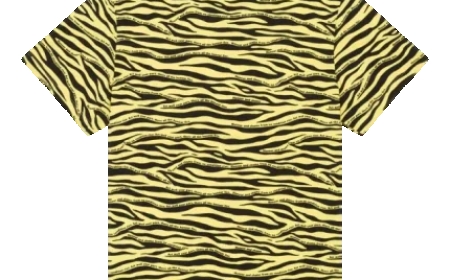





Denim Tears: A Movement, Not Just a Label
Denim Tear is the Official Store with the Denim Tears Clothing And Choose your favorite one from our store in your Budget. New Collection 2025.


Introduction: Fashion as Cultural Narrative
In a world where streetwear often merges into mainstream fashion without regard for history or meaning, Denim Tears stands apart. Its more than a label. Its a conversation, a protest, a remembrance, and a reclamation. denim tear Founded by Tremaine Emory in 2019, Denim Tears has redefined what it means to wear culture on your sleeveliterally. The brand draws from centuries of Black American history, tapping into memory, resistance, and creativity. Denim Tears is not just a collection of garments; it's a storytelling vehicle that uses fashion to resurrect buried narratives and challenge contemporary indifference.
The Visionary Behind the Brand: Tremaine Emory
Tremaine Emory, often referred to as the "cultural architect," is a powerful force in fashion. Beyond being the founder of Denim Tears, he has served as a creative director for Supreme and collaborated with Kanye West, Frank Ocean, and Virgil Abloh. Emory isnt merely a designerhe is a thinker and cultural commentator. His vision for Denim Tears was born from a deep-seated desire to document and elevate the Black experience, particularly the traumatic and triumphant journey of African Americans from slavery through to the present day.
The name "Denim Tears" itself evokes emotion. Denim, a durable cotton fabric, has been historically linked to both labor and leisure. By combining it with tears, Emory deliberately connects the material to pain, endurance, and survivalechoing the historical legacy of cotton fields and slavery in America.
Denim as a Medium of Memory
At the heart of Denim Tears is the cotton wreath motif, a recurring design element that adorns many of the brands iconic denim pieces. This is not just a fashion statement; it is a historical symbol. The wreaths mimic the look of cotton blooms, serving as a visual metaphor for the cotton industrys ties to slavery. They provoke thought and demand recognition of the systemic exploitation of Black labor that built the American economy.
When Emory first launched Denim Tears with Levis, he intentionally focused on using the denim canvas to reflect on the 400th anniversary of the transatlantic slave trades arrival in North America. This capsule collection was not just about style; it was a historical declaration. Each pair of jeans and jacket was a wearable artifactone that forced consumers to consider what they were wearing and why.
Beyond Fashion: A Political and Cultural Movement
Denim Tears is not content to merely sell clothes. It is a cultural campaign that seeks to educate and empower. Through collaborations, curated imagery, and social commentary, the brand acts as a platform for discourse. Whether through graphic tees that reference Pan-Africanism, Malcolm X, or James Baldwin, or campaigns that center Black artists and activists, Denim Tears positions itself firmly in the realm of political fashion.
Tremaine Emory uses the brand to interrogate capitalism, racial injustice, and colonial legacies. His releases often coincide with important cultural moments, using fashion drops as opportunities for critical reflection. This intentionality sets Denim Tears apart from most fashion labels, especially those in the hype-driven streetwear space.
Collaborations with Purpose
Collaboration is a central pillar of the Denim Tears philosophy. However, unlike many brands that seek clout through partnerships, Emory ensures that every collaboration serves a purpose beyond aesthetics. His joint work with Levis was about reclaiming denim for Black Americans. His partnership with Dior, under the creative direction of Kim Jones, brought the narrative of Black identity into the rarefied air of high fashion.
In every collaboration, Denim Tears amplifies marginalized voices and insists on contextual relevance. These are not just business ventures; they are ideological exchanges. By aligning with partners who respect the message and medium, Emory keeps the brands integrity intact.
The Emotional Weight of Style
What sets Denim Tears apart is its emotional resonance. Wearing Denim Tears is not a passive act. It requires the wearer to engage with history and, by extension, with identity. There is vulnerability in the brands aestheticraw edges, haunting symbols, and references to traumaall counterbalanced by an undercurrent of pride and resistance.
Its also a celebration of Black creativity. Emory has made it clear that joy, style, and resilience are part of the Black experience as much as suffering. His designs honor this complexity. Through his lens, fashion becomes a spiritual acta ritual of remembrance, mourning, and defiance.
Influencing the Next Generation
Denim Tears is already influencing a new generation of designers, artists, and thinkers who view clothing as a means of communication and protest. Emorys success proves that cultural depth and commercial success are not mutually exclusive. Hes showing young creatives, especially those from marginalized communities, that they can lead with authenticity and still find global resonance.
As mainstream fashion continues to co-opt Black culture without proper attribution, brands like Denim Tears remind the industry of the importance of narrative ownership. Emory doesnt just want people to see his clotheshe wants them to understand them. He invites them to read the labels, study the references, and research the stories.
A Brand Rooted in Legacy
Denim Tears is firmly rooted in the concept of legacy. Every stitch, print, and reference points backward in order to move forward. This dualitylooking to the past while shaping the futureis what gives the brand its gravity. Its why Denim Tears isnt a fleeting trend or a seasonal hype. Its built to endure, just like the people and culture it represents.
The legacy is not limited to clothing either. Through installations, lectures, interviews, and social activism, Tremaine Emory continues to build a multidimensional project. One that transcends fashion and enters the realm of cultural preservation and revolution.
Conclusion: More Than a Label
In a saturated market of fast fashion and short attention spans, Denim Tears stands as a powerful counterpoint. Its fashion with Denim Tears Shirt depth, garments with a pulse. Tremaine Emory has crafted a brand that serves as a historical reminder, an artistic expression, and a political tool all at once. Denim Tears doesnt ask for attentionit demands introspection.
To wear Denim Tears is to wear a story. Its to acknowledge the painful roots of American history while celebrating the beauty that has blossomed from it. In every thread is resistance, in every design a lesson, and in every collection a call to remember. Denim Tears is not just a labelit is a movement. And like all movements, its power lies not just in what it creates, but in what it changes.