
















How to Find the Best Teahouses on the Everest Base Camp Trek
Discover Everest Base Camp Trek—breathtaking landscapes, Sherpa hospitality, and unforgettable mountain adventure in Nepal’s Himalayas.
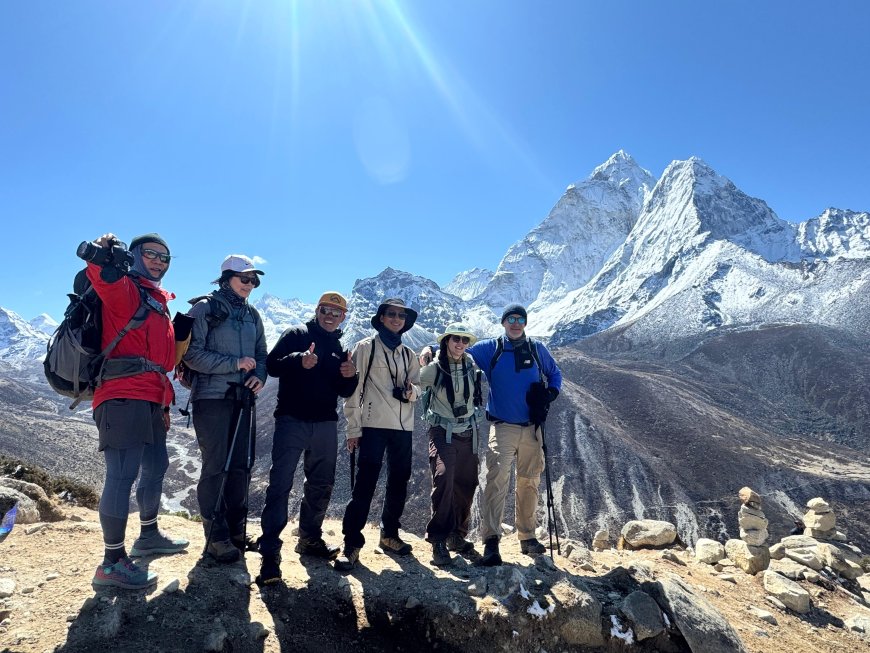
Finding good teahouses on theEverest Base Camp Tour is crucial for a comfy and memorable trip in the Himalayas. Each year, thousands of trekkers hit the trail, and teahouses have changed from simple lodges to cozy places that offer local hospitality and nice views. To find the best options, start with some planning. Check out trustworthy trekking blogs, travel forums, and recent YouTube vlogs, as they often mention specific teahouses. You can also look at TripAdvisor and Google Maps for up-to-date ratings and guest reviews for towns like Namche Bazaar, Tengboche, Dingboche, and Lobuche.
You might not need to book ahead during the off-season, but if you're trekking in busy months like October or April, it's smart to ask your guide to make reservations, especially in popular spots. If you're on a guided trek, they usually have your stays arranged in reliable teahouses with decent food, warm blankets, and sometimes Wi-Fi or charging stations. If youre trekking solo, asking other hikers for their suggestions on the go can lead you to some hidden gems that you might not find online.
Look for teahouses that are clean, well-kept, and eco-friendly. The best ones often have friendly staff, clean kitchens, and cozy dining areas where people can gather and share stories. Choosing well-reviewed teahouses also supports ethical tourism since many are family-owned and rely on your support. In the end, finding the right teahouses on the Everest Base Camp trek is all about balancing comfort, cleanliness, and local charm to make your Himalayan adventure cozy and enjoyable.
Finding good teahouses on the Everest Base Camp trek is important for a pleasant and memorable experience in the Himalayas. With so many trekkers on the trail each year, teahouses have become more than just simple lodges; they now offer comfortable stays with local hospitality and nice views. To find the best ones, start by doing some homework. Check out trusted trekking blogs, travel forums, and YouTube vlogs, which often mention specific teahouses. Sites like TripAdvisor and Google Maps provide updated ratings and reviews to help you make choices in places like Namche Bazaar, Tengboche, Dingboche, and Lobuche.
You dont always need to book in advance during the off-season. But if youre trekking during busy months like October or April, its a good idea to have your guide book spots ahead of time, especially in popular spots. Guided treks often include places to stay that have dependable food, warm blankets, and sometimes Wi-Fi or charging options. If you're going solo, asking other hikers for on-the-spot recommendations can help you find hidden gems that arent listed online.
Look for teahouses that are clean and well-organized. Good ones usually have friendly staff, clean kitchens, and comfy dining areas where people come together to share stories. Choosing higher-rated teahouses also helps support local families who rely on these businesses. In the end, finding the right teahouses on the Everest Base Camp trek is about comfort, cleanliness, and local charm, making your journey more enjoyable with a cozy place to rest.
What Is a Teahouse on the Everest Base Camp Trek?
A teahouse is a small mountain lodge where trekkers can find food and a place to sleep on the Everest Base Camp trail. Theyre run by Sherpa families and offer simple rooms, shared bathrooms, hearty meals, and a warm dining area with a stove. Most places along the way provide similar services, but the comfort and cleanliness can differ. Some are pretty basic, while others have hot showers and Wi-Fi. Knowing what a teahouse is helps set your expectations for the trek. These spots arent just for sleepingthey're where youll recharge, eat, and meet other travelers, adding warmth and connection to your mountain adventure. Finding good teahouses makes your trip more comfortable and clean.
How to Spot a Good Teahouse During Your Trek?
To find a quality teahouse during your Everest Base Camp trek, pay attention to a few details. First, check how clean the dining area and bedrooms areif those areas look good, the rest probably do too. A decent teahouse usually has friendly staff who speak some English, a warm kitchen or stove, and a kept-up bathroom. Look for menus with a variety of meals and safe drinking options. If you see other trekkers around, that's a good signbusy teahouses often mean good food and service. Good places might also have solar lights, charging stations, and sometimes Wi-Fi. Asking other trekkers for their experiences can provide reliable recommendations. Picking the right teahouse can really affect how well you rest.
Best Villages for Quality Teahouses on the Trail
Some villages on the Everest Base Camp trek are known for better teahouses. Namche Bazaar has the best options, with many lodges offering Wi-Fi and great views. Tengboche and Dingboche also have solid teahouses with warm meals and cozy areas. Further on, places like Lobuche and Gorak Shep offer basic but still clean options. Lukla, where the trek begins, has many teahouses suitable for resting before and after the hike. These popular spots tend to attract more investment from owners, which means better quality. Choosing to stay in these areas improves your chances of finding a roomy, inviting place to relax and enjoy the mountain hospitality.
Do I Need to Book Teahouses in Advance?
You dont always need to book teahouses in advance, but it varies by season. During peak trekking times like April-May and October-November, it's a smart move to reserve rooms, especially in popular spots like Namche, Tengboche, or Dingboche. If youre trekking solo or without a guide, you can call ahead or ask the lodge to save a room for you. With a guide, they usually organize accommodations with trusted teahouse owners. In the off-season, rooms are generally available, but sometimes the weather can affect access. Some nicer teahouses might need advanced booking. Planning helps secure better rooms, lowers stress, and guarantees you a warm place after a long day of hiking.
What to Expect Inside a Typical Everest Teahouse?
Inside a regular teahouse on the Everest Base Camp trek, you can expect simple wooden rooms with basic bedding and not much insulation. Walls can be thin, so you might want to bring earplugs. Theres usually a communal dining area heated by a stove where everyone gathers. Bathrooms are often shared and located outside, with cold water, unless you pay extra for a hot bucket shower. Meals usually come from a fixed menu with options like dal bhat, pasta, or soup. Some teahouses have charging ports and Wi-Fi for a fee. Overall, the atmosphere is warm and friendly. While facilities are basic, the hospitality from the Sherpa people and the cozy environment make it worthwhile.
Finding great teahouses on the Everest Base Camp trek is important for a comfy and enjoyable trip through the Himalayas. Each year, tons of trekkers hit the trail, and teahouses have changed from simple lodges to more welcoming places with good hospitality and nice views. To find the best spots, start with some planning. Check out trusted trekking blogs, travel forums, and recent YouTube videos where people often review and suggest teahouses by name. You can also look at sites like TripAdvisor and Google Maps to see updated ratings and guest reviews, which can help your choices in towns like Namche Bazaar, Tengboche, Dingboche, and Lobuche.
You might not need to book in advance during the off-season, but in busy months like October or April, its a good idea to get your guide to reserve your spot, especially in popular places. Guided treks usually include reservations in reliable teahouses that serve decent food and provide warm blankets, and sometimes even Wi-Fi or charging points. If youre trekking solo, asking other hikers for suggestions along the way can help you find some hidden gems that arent online.
Look for teahouses that are clean, well-run, and environmentally friendly. The best ones typically have friendly staff, tidy kitchens, and cozy dining areas for travelers to hang out and share stories. Choosing higher-rated teahouses also supports ethical tourism since many are family-owned and rely on your business for a living. In the end, finding the right teahouses along the trek means balancing comfort, cleanliness, and local charm so you can rest and enjoy your Himalayan adventure.
Are there teahouses at Everest Base Camp?
No, there arent any teahouses at Everest Base Camp itself. The base camp is a temporary setup for climbers, not trekkers, and its made up of tents during climbing seasonsno permanent lodging or food service. Trekkers usually stay overnight at Gorak Shep, the last teahouse village before EBC, which is about 23 hours away. After visiting EBC during the day, most trekkers head back to Gorak Shep to eat, rest, and find shelter. So while there are no teahouses right at the base camp, Gorak Shep is the closest place where you can find basic lodging due to the high altitude and limited infrastructure.
How to book teahouses in Nepal?
Booking teahouses in Nepal is usually done in person or through a trekking guide or agency. Most teahouses dont have online booking, especially in remote areas like the Everest region. During the off-season, you can generally just show up and get a room. But during busy trekking months, its smart to book aheadby calling if you can find contact info, using a local guide, or going through a trekking company that makes reservations. Apps like Maps.me sometimes list contact numbers for popular teahouses, but phone service can be spotty at altitude. The most reliable way to book during busy seasons is through a local guide or porter.
What is the best company to do the Everest Base Camp with?
The best company to trek to Everest Base Camp depends on your budget, experience, and what kind of service you want. Well-known international companies like Intrepid Travel, G Adventures, and REI Adventures are known for safety and quality gear. But many trekkers lean towards local Nepali agencies that offer lower prices and a more authentic feel. Good local operators like Nepal Eco Adventure, Himalayan Glacier, Adventure Altitude Treks, and Trekking Team Group come highly recommended for EBC treks. Look for companies with licensed guides, solid safety protocols, and clear itineraries. Always check recent reviews, guide qualifications, and whats included (meals, porter service, permits) before booking. A local company with solid experience often offers a great mix of cost and personalized service.
Where do people go to the bathroom at Everest Base Camp?
At Everest Base Camp Hike, toilet facilities can be pretty basic. During climbing season, climbers use tent-style toilets set up by their teams, which are just simple holes or drums with biodegradable bags. Trekkers going to EBC dont find any public restrooms, so most people either go outdoors in designated areas or ask to use facilities at expedition camps if they can. Its a good idea to bring your own toilet paper and hand sanitizer. In villages along the trail, like Gorak Shep, teahouses typically have squat or Western-style toiletssome indoors, many outdoors. Up higher, toilets may be shared, unheated, and without running water. Being eco-friendly with waste is important, so remember to follow Leave No Trace principles at all times.