


















Is It Time to Repaint? Signs You Need Residential Exterior House Painting

The outside of your home is exposed to a lot of sun, rain, wind, and changing seasons. Over time, this takes a toll on the paint, even if it doesnt appear to be damaged right away. In a place like Virginia, where the weather can shift quickly, keeping your exterior paint in good shape is more than just a style choiceit helps protect your home.
Lets go over the most common signs that tell you its time for a new paint job. Whether you plan to do it yourself or hire a professional, recognizing these signs early can save you time and money in the long run.
Signs You Need Residential Exterior House Painting
-
Peeling and Cracking Paint Is the First Warning Sign
If you notice peeling, bubbling, or cracking paint, it indicates that your current paint layer has failed. These areas no longer protect your siding or wood from moisture, which can lead to severe damage. When rain gets in, wood can swell, rot, or grow mold.
Focus your inspection around trim, windows, and areas exposed to direct rain. If the problem is widespread, repainting your home soon is the best course of action.
-
Faded Colors Mean Your Paint Is Getting Weak
Paint fades slowly over time, especially when exposed to sunlight. If your home looks much lighter or duller than before, the paint may have lost its strength. This makes your siding more likely to absorb heat and moisture.
While fading doesn't always lead to damage right away, its one of the earliest signs that your paint is aging. In many Virginia homes, youll notice the south-facing side fades faster due to more substantial sun exposure.
-
Bare Wood or Exposed Siding Needs Immediate Attention
If you see raw wood or areas where the paint has completely worn away, its time to take action. Bare siding is more than a visual issueit means your home has no barrier from rain, wind, or pests.
Residential exterior house painting is essential when surfaces are exposed. These areas should be cleaned, primed, and sealed with the right exterior paint to prevent long-term damage.
-
Mold, Mildew, and Green Streaks Are Red Flags
Virginias humid summers can cause mildew to develop in shaded or damp areas, appearing as green, black, or gray patches. While some stains can be washed off, if they return or appear under peeling paint, its time to repaint. Using mold-resistant paint can help. For a comprehensive update, consider also interior painting.
-
A Chalky Film on Paint Is a Sign of Wear
Run your hand along your siding. If you get a white or chalky residue on your fingers, thats paint breaking down. This often occurs with older latex paints that have been exposed to excessive sun and rain.
This residue can prevent new paint from sticking well unless the surface is cleaned and primed. If chalking is happening on large areas, repainting your home is the best solution.
-
Old or Cracked Caulk Can Let Water In
Exterior caulk fills the gaps between your siding and trim. When it dries out or cracks, moisture can slip in and damage your home.
Before repainting, these joints should be recaulked. This step is crucial in areas such as windows, doors, and rooflines where water may collect. Residential exterior house painting often includes sealing these joints as part of the prep work.
-
Wood Thats Warped or Splitting Is a Sign of Paint Failure
Paint helps protect your homes structure. When it no longer performs its job, you may notice boards that are warped, split, or dry. This is common on older homes or on sections that get a lot of sun.
Painting over these problems wont fix them. Youll need to repair the surface before applying new paint. Catching this early can prevent major repairs later.
-
Its Been More Than 7 Years Since Your Last Paint Job
Even without visible damage, paint ages over time. In Virginia, most homes need repainting every 510 years. Wood siding usually needs it sooner, while brick or stucco can last longer. If its been years since your last paint job, consider having it inspected. Before painting, pressure washing helps the new coat adhere better and last longer.
-
Choosing the Right Time to Paint
In Virginia, the best seasons for painting are spring, summer, and early fall. Dry weather with mild temperatures helps the paint cure properly. Avoid painting during humid days or when rain is expected within 24 hours.
Good timing will improve both the longevity of the paint and its appearance.
Final Thoughts
The paint on your homes exterior does more than add color. It shields your home from moisture, sun, insects, and changing weather. If youve seen signs like peeling, fading, mold, or cracks in caulk, it may be time to repaint.
Keeping your homes paint in good shape protects your investment. It also helps you avoid costly repairs down the road.
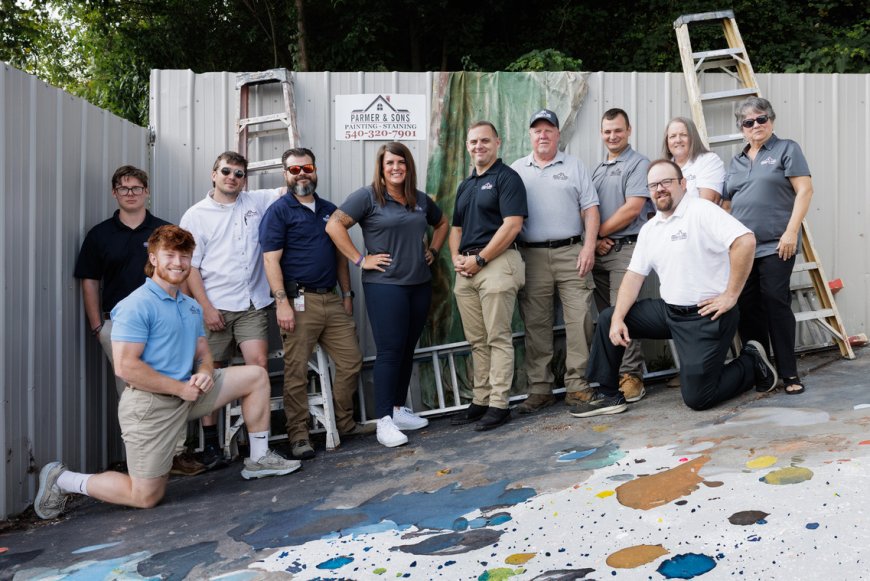
If youre unsure where to start or want a professional opinion, reach out to Parmer and Sons Painting. They serve homeowners across Virginia with exterior painting services that are built to last.