



















Is Isotretinoin Safe for Treating Acne Long-Term?
Isotretinoin may increase liver enzymes or blood lipids (like cholesterol and triglycerides). This is why routine blood tests are required during treatment.
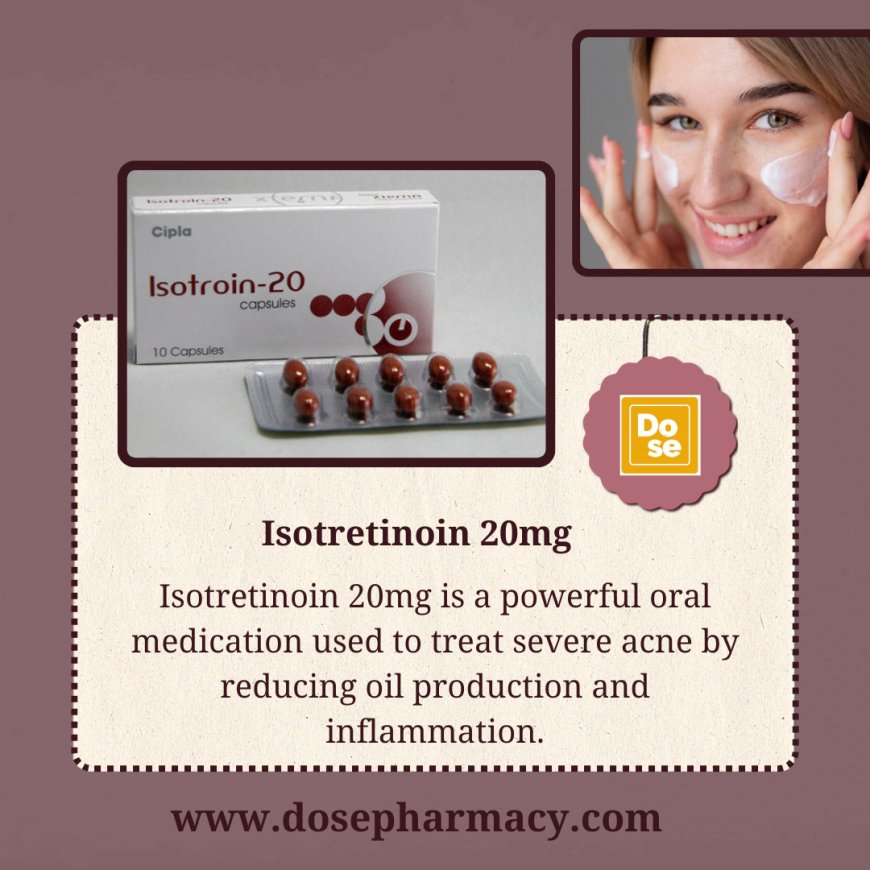
Acne is a common skin condition affecting millions worldwide, particularly teenagers and young adults. While mild to moderate acne can often be managed with topical treatments or antibiotics, severe or resistant acne may require a more potent solution. Thats where isotretinoinoften known by the brand name Accutanecomes in.
Isotretinoin 20mghas proven to beone of the most effective treatments for severe nodular or cystic acne. However, because of its strength and the possibility of side effects, many people ask: Is isotretinoin safe for long-term use? Let's dive into what the science and experts say.
What Is Isotretinoin?
Isotretinoin is a powerful oral retinoid, derived from vitamin A. It targets acne at its root by reducing:
-
Sebum (oil) production
-
Bacterial growth (Cutibacterium acnes)
-
Inflammation
-
Clogging of pores
Its often prescribed when other treatments, like antibiotics and topical retinoids, have failed. In many cases, isotretinoin offers long-lasting or even permanent clearance of acne, making it a life-changing option for many patients. You can also buy accutane online from dosepharmacy to get acne free skin.
How Long Is Isotretinoin Typically Used?
Isotretinoin is not meant to be taken indefinitely. The standard course usually lasts:
-
4 to 6 months, depending on the patients weight and severity of acne
-
Doses are calculated based on body weight (mg/kg)
-
The goal is to reach a total cumulative dose that reduces the risk of acne recurrence
Sometimes, a second course is needed, especially if acne returns, but continuous long-term daily use is not recommended due to the risk of side effects.
Is Long-Term Use Ever Recommended?
In rare cases, dermatologists may prescribe low-dose isotretinoin over a longer period (e.g., several months or intermittently for a year) to patients with recurrent or stubborn acne. However, this is carefully monitored and not standard protocol.
Long-term treatment is always weighed against potential risks, and the lowest effective dose is used to minimize side effects.
Common Side Effects of Isotretinoin
While effective, isotretinoin is associated with several side effectssome common and manageable, others more serious.
? Common Side Effects:
-
Dry lips and skin
-
Nosebleeds (from dry nasal passages)
-
Dry eyes
-
Sun sensitivity
-
Mild joint or muscle aches
These are usually dose-dependent and subside after treatment ends. Hydration, moisturizers, and lip balms help reduce discomfort.
Potential Long-Term or Serious Risks
1. Liver and Lipid Levels
Isotretinoin may increase liver enzymes or blood lipids (like cholesterol and triglycerides). This is why routine blood tests are required during treatment. Long-term or high doses can stress the liver, so patients are advised to avoid alcohol and monitor liver function.
2. Mood Changes and Mental Health
There has been concern about a link between isotretinoin and depression, mood swings, or suicidal thoughts. While studies are inconclusive, anyone taking the drug should report any mood changes to their doctor immediately. Those with a history of mental health issues may need closer monitoring.
3. Bone and Joint Effects
Prolonged use at high doses has been associated with:
-
Bone thinning
-
Joint stiffness
-
Delayed bone healing
This is rare but worth considering for long-term or high-dose users, especially adolescents whose bones are still developing.
4. Teratogenic Effects (Pregnancy Risk)
The most serious risk of isotretinoin is birth defects if taken during pregnancy. Even a single dose can harm a developing fetus. This is why women of childbearing age must:
-
Use two forms of contraception
-
Undergo regular pregnancy tests
-
Enroll in programs like iPLEDGE (in the U.S.)
These safety measures are non-negotiable during treatment and for at least one month after stopping isotretinoin.
Does Isotretinoin Affect Fertility or Hormones?
Isotretinoin does not affect fertility or hormone levels in men or women. Once the medication is out of the system (typically within a month), it does not have lingering effects on reproductionexcept for the teratogenic risks if pregnancy occurs too soon.
Can Acne Return After Isotretinoin?
Yes, acne can come back, especially if:
-
The total cumulative dose wasnt reached
-
Hormonal imbalances (e.g., PCOS) are present
-
Lifestyle and skincare habits remain unchanged
That said, about 60% to 70% of patients remain clear long-term after one full course. A second, lower-dose course may be prescribed if acne returns.
Monitoring and Follow-Up
To ensure safety during isotretinoin therapy, doctors typically require:
-
Baseline blood tests (liver function, lipids, pregnancy test if applicable)
-
Monthly follow-up visits
-
Repeat blood work every 46 weeks
Patients are also advised to report any side effects promptly and maintain open communication with their dermatologist.
Tips for Safe Use of Isotretinoin
If you and your doctor decide isotretinoin is right for you, here are some safety tips:
? Do:
-
Follow your prescribed dosage carefully
-
Use daily moisturizer and SPF
-
Keep your lips hydrated
-
Stay hydrated with water
-
Attend all follow-up appointments
? Avoid:
-
Waxing or laser treatments (skin becomes fragile)
-
Donating blood during and 1 month after treatment
-
Getting pregnant while on the drug
-
High alcohol consumption
So, Is Isotretinoin Safe for Long-Term Use?
Short-term use (46 months) is generally considered safe and highly effective when properly monitored. While isotretinoin is not recommended for indefinite long-term daily use, some patients may benefit from low-dose maintenance therapy under medical supervision.
In summary:
-
Yes, isotretinoin is safe for most people when used responsibly.
-
No, it is not meant to be taken continuously for years without breaks.
-
Regular monitoring is crucial to minimize side effects and health risks.
If youre considering isotretinoin for acne that hasnt responded to other treatments, talk to your dermatologist. With the right care plan, it can offer dramatic, long-lasting results and a boost in self-confidencesafely.