



















Tree Removal: A Complete Guide for Homeowners and Property Managers
Tree removal isn’t just about cutting something down — it’s about making smart, safe, and informed decisions for your property. Whether you're dealing with a dying tree, making room for new landscaping, or responding to storm damage, knowing when and how to remove a tree can save you time, money, and stress. Always consult professionals for the best results — your yard (and your neighbors) will thank you!
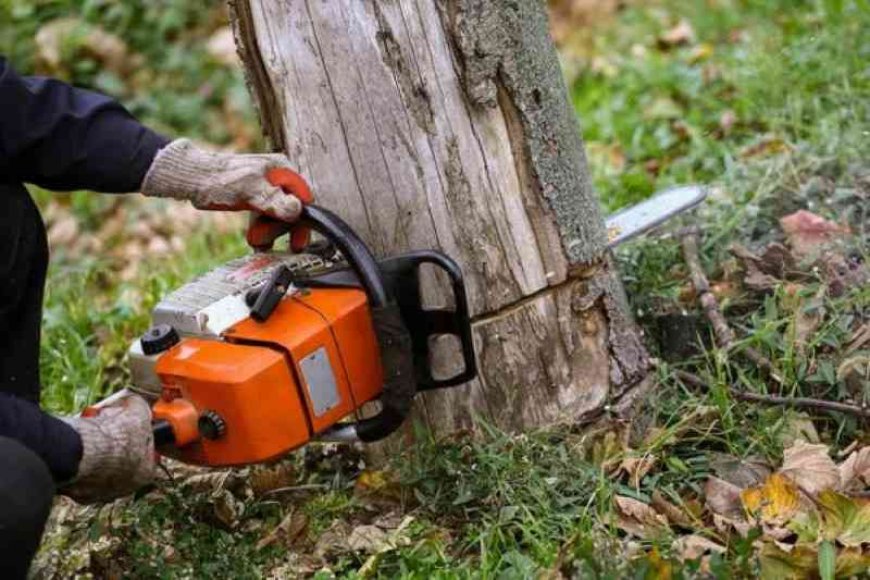
Lets face it trees are beautiful and beneficial, but sometimes, they just have to go. Whether it's a hazard, an eyesore, or standing in the way of your dream patio, tree removal is often a necessary (and sometimes urgent) task. But before you grab a chainsaw or call a pro, its important to understand the process, costs, and risks involved.
What is Tree Removal?
Tree removal is the process of cutting down and removing an entire tree from its location, including the trunk and, sometimes, the stump. It can be done for safety, health, or aesthetic reasons and requires expertise, especially when the tree is large or near structures.
Why Tree Removal is Sometimes Necessary
Nobody wants to cut down a beautiful old oak, but sometimes its the only option. Tree removal helps prevent injury, property damage, and legal trouble. Plus, it can clear space for new landscaping projects.
Common Reasons for Tree Removal
Dead or Dying Trees
If your tree is lifeless or on its last leg, it poses a serious threat. Dead branches can fall unexpectedly, especially during high winds.
Disease or Pest Infestation
Fungus, beetles, and other invaders can spread rapidly and infect nearby trees. Sometimes, the only way to stop the spread is complete removal.
Property Damage or Safety Risk
Trees growing too close to homes, power lines, or septic systems can cause structural problems or become fire hazards.
Overcrowding or Landscape Renovation
Too many trees can block sunlight, crowd each other out, or ruin your landscaping plans. Removing one can give others room to thrive.
Storm Damage and Emergencies
After a storm, fallen or leaning trees can become urgent threats. Emergency tree removal services are often needed to mitigate further damage.
How to Know If a Tree Needs to Be Removed
Warning Signs
-
Large dead branches
-
Fungal growth at the base
-
Cracked trunk or leaning tree
-
No leaves during growing season
-
Hollow or decaying trunk
Professional Tree Assessments
Certified arborists can inspect your tree and tell you whether it can be saved or must go. Dont guess get expert advice.
The Tree Removal Process
Step-by-Step Breakdown
-
Inspection Evaluate the health and placement of the tree.
-
Permitting Obtain local permissions if required.
-
Preparation Clear the area and set up safety zones.
-
Cutting Remove branches, then fell the trunk in sections.
-
Cleanup Debris is removed or chipped for mulch.
-
Stump Handling Optional grinding or full removal.
Tools and Equipment Used
-
Chainsaws
-
Cranes or aerial lifts
-
Ropes and rigging gear
-
Wood chippers
-
Safety gear (helmets, harnesses, gloves)
What Happens to the Tree After Removal
Often, the wood is chipped, recycled, or even repurposed into furniture or firewood.
Risks of DIY Tree Removal
Safety Hazards
Falling from heights, getting hit by falling limbs, or misjudging the trees direction can lead to serious injuries.
Legal and Insurance Issues
If something goes wrong and youre not licensed or insured, youre fully liable for damages.
Improper Technique Consequences
Incorrect cuts can cause the tree to fall unpredictably potentially on your house, car, or neighbors fence.
Why Hire a Professional Tree Removal Service
Skills and Experience
Experts know how to handle trees near power lines, structures, or other trees safely and efficiently.
Liability and Insurance
Professional services carry liability insurance to protect you if anything goes wrong.
Efficient and Clean Work
They have the tools, trucks, and crew to get it done fast and they clean up after themselves.
Cost of Tree Removal
Factors That Affect Price
-
Tree size and height
-
Tree location and accessibility
-
Emergency vs. scheduled service
-
Stump removal inclusion
Average Cost Estimates
-
Small tree (under 30 ft): $150$500
-
Medium tree (3060 ft): $300$1,000
-
Large tree (60+ ft): $800$2,500+
-
Stump grinding: $100$400
Tips for Getting an Accurate Quote
-
Get multiple estimates
-
Ask for itemized costs
-
Ensure all fees (like cleanup and stump removal) are included
Tree Removal Laws and Permits
Local Regulations
Many cities require permits to remove trees, especially heritage or protected species. Ignoring this can lead to hefty fines.
HOA Rules and Neighborhood Agreements
Some homeowners' associations have strict rules about tree removal always check first.
Alternatives to Tree Removal
Tree Pruning and Care
Trimming dead limbs may be enough to restore health and safety.
Cabling and Bracing
Structural support systems can save a leaning or weak tree without cutting it down.
Transplanting Trees
If the tree is healthy and valuable, professionals may be able to relocate it instead of removing it.
Post-Removal Cleanup and Options
Stump Grinding or Removal
Grinding flattens the stump below ground level; full removal gets rid of roots entirely.
Replanting Recommendations
Choose native, non-invasive species that fit your yards size and soil.
Yard Restoration Tips
Fill the hole, reseed grass, and consider mulch or new plants to beautify the space.
Environmental Considerations
Sustainable Tree Removal Practices
Good companies follow eco-friendly practices like minimal disruption, recycling wood, and avoiding chemical stump treatments.
Recycling and Wood Reuse
Removed wood can be chipped for mulch, burned for fuel, or used in carpentry and construction.
Choosing the Right Tree Removal Company
What to Look For
-
ISA-certified arborists
-
Proper insurance and licenses
-
Positive customer reviews
-
Transparent pricing
Questions to Ask Before Hiring
-
Do you carry liability and workers comp insurance?
-
Is stump grinding included?
-
What happens to the debris?
-
How soon can the work be done?
Conclusion
Tree removal isnt just about cutting something down its about making smart, safe, and informed decisions for your property. Whether you're dealing with a dying tree, making room for new landscaping, or responding to storm damage, knowing when and how to remove a tree can save you time, money, and stress. Always consult professionals for the best results your yard (and your neighbors) will thank you!
FAQs
1. How long does tree removal take?
It depends on the tree size, location, and complexity, but most removals take 13 hours.
2. Can I remove a tree myself?
You can, but its dangerous, especially for large or near-structure trees. Hiring a pro is highly recommended.
3. Whats the best time of year to remove a tree?
Late winter or early spring is ideal, as trees are dormant and there's less surrounding vegetation.
4. Do I need permission to remove a tree on my property?
In many areas, yes. Always check local regulations and HOA rules before removal.
5. Is tree removal covered by homeowners insurance?
Sometimes. If the tree is damaged by a covered peril (like a storm), your policy may help but not for routine removal.