














Hair Color Products Market: Beauty Innovation Driving Global Style Preferences
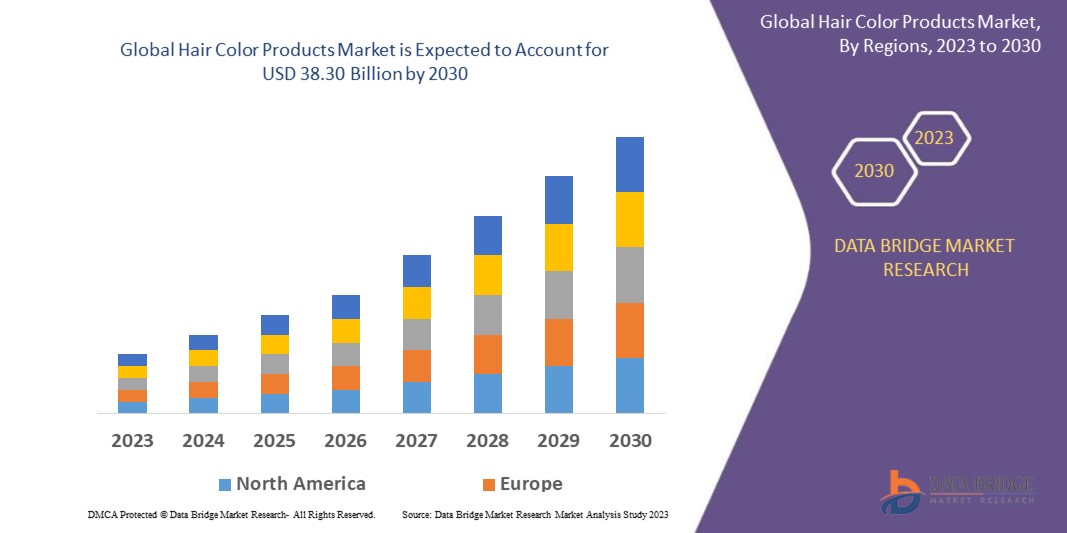
Hair color products market, which was USD 24.40 billion in 2022, would rocket up to USD 38.30 billion by 2030, and is expected to undergo a CAGR of 5.8% during the forecast period of 2023 to 2030.

Introduction
Hair color products are a diverse range of cosmetic solutions designed to alter, enhance, or restore the natural color of human hair. These products include permanent, semi-permanent, demi-permanent, and temporary colorants, offering users the ability to personalize their look or cover gray hair. Consumers use hair color for aesthetic reasons, fashion trends, cultural identity, age concealment, and professional needs. The hair color products market is driven by rising fashion consciousness, aging populations, increased grooming awareness, and the growing availability of professional and at-home coloring solutions.
The global beauty and personal care industry is experiencing rapid growth, and hair color products remain a major contributor. Both men and women are embracing hair coloring, influenced by digital media, social influencers, celebrity endorsements, and seasonal style shifts. As consumer expectations evolve, product manufacturers are focusing on innovative formulations, organic ingredients, allergen-free compositions, and gender-neutral marketing strategies.
Source:https://www.databridgemarketresearch.com/reports/global-hair-color-products-market
The Evolution
The practice of hair coloring has ancient roots, dating back thousands of years. In early civilizations such as Egypt, Greece, and India, people used natural ingredients like henna, indigo, and plant-based dyes to color their hair for religious or cultural purposes. The use of lead-based dyes in Roman times marked the earliest chemical hair coloring.
The modern hair color industry began to take shape in the early 20th century when synthetic dyes were introduced. Eugne Schueller, founder of L'Oral, created one of the first safe synthetic hair dyes in 1907. This innovation marked the start of the commercial hair dye industry. By the 1950s and 60s, hair coloring became a common practice, popularized by Hollywood and fashion magazines.
The 1990s saw the rise of salon culture and branded consumer products like Clairol, Revlon, Garnier, and Wella. Technology advanced to offer permanent, semi-permanent, and ammonia-free options. Mens hair coloring became more common during the 2000s, with brands offering discreet gray coverage solutions.
Today, hair color products are available in various formats including creams, gels, foams, sprays, and powders. Formulations include organic, vegan, cruelty-free, ammonia-free, and sulfate-free options. Product delivery has also evolved, with online platforms, DIY kits, and subscription models becoming popular.
Market Trends
The clean beauty movement is pushing brands to develop non-toxic, ammonia-free, and organic hair color formulations. Consumers are seeking safe, skin-friendly options that deliver professional-quality results without harmful chemicals.
Temporary and DIY hair color kits are gaining popularity among Gen Z and Millennials. Bold colors like pastels, neons, and metallics are trending, driven by social media influencers and digital beauty communities. Users are also experimenting with multi-tone and ombr effects at home.
Gender-neutral branding is emerging. Companies are releasing inclusive marketing campaigns that appeal to all genders. Male grooming products, including beard dyes and scalp coverage solutions, are on the rise.
Personalized hair color solutions are expanding through AI and virtual try-on tools. These help consumers visualize shades before purchase and select customized formulations based on hair type, tone, and desired results.
E-commerce and direct-to-consumer platforms are disrupting traditional salon distribution. Hair color brands are leveraging influencer marketing, subscription boxes, and digital promotions to reach global consumers.
Salon-grade products are becoming accessible at home. Premium brands are offering at-home color kits that replicate salon experiences with professional tools, pre-treatment serums, and aftercare conditioners.
Sustainability is a core trend. Consumers prefer eco-friendly packaging, biodegradable materials, and cruelty-free certifications. Brands are eliminating plastic tubes, using recyclable cartons, and minimizing water usage in manufacturing.
Anti-aging hair color lines targeting gray coverage and hair revitalization are growing. These products often include keratin, collagen, biotin, and UV protection to preserve hair health during and after coloring.
Hybrid products are launching that combine color with care. These include conditioning color masks, hair gloss treatments, and herbal-based nourishing dyes.
Challenges
Health and safety concerns are significant. Some consumers report allergic reactions, scalp irritation, and sensitivity to ammonia or PPD (para-phenylenediamine). Regulatory bodies closely monitor ingredient usage, leading to frequent product reformulation.
High competition and low brand loyalty exist in mass-market segments. Price wars and the proliferation of similar products make differentiation difficult for brands targeting drugstore consumers.
Professional salon disruption occurred due to the rise in DIY home kits, especially during and post-COVID-19. Salons are adjusting to offer hybrid solutions such as consultation plus home kit models.
Color maintenance is a concern. Frequent touch-ups, fading, and root regrowth make consumers wary of commitment to permanent colors. Brands must innovate for longevity and less-frequent application.
Regulatory barriers in international markets vary. Products must comply with health and safety laws across different regions, affecting formulation, labeling, and marketing claims.
Product performance inconsistency is a concern in home kits. Users may face challenges in application, uneven coloring, or damage due to lack of professional supervision.
Limited penetration in some emerging markets exists. Cultural norms, economic constraints, or lack of awareness can hinder product adoption in rural and low-income areas.
Supply chain disruptions impact product availability. Global logistics issues and raw material shortages can delay product launches and affect manufacturing timelines.
Environmental concerns over dye waste, packaging, and chemical disposal are rising. Brands face pressure to adopt circular economy practices and reduce ecological footprints.
Market Scope
By Product Type
-
Permanent Hair Color
-
Semi-Permanent Hair Color
-
Demi-Permanent Hair Color
-
Temporary Hair Color
-
Color Conditioners and Glosses
By Form
-
Creams
-
Foams
-
Gels
-
Sprays
-
Powders
By Ingredients
-
Chemical-Based
-
Ammonia-Free
-
Organic/Natural
-
Herbal/Vegan
By Distribution Channel
-
Online Retail
-
Supermarkets/Hypermarkets
-
Specialty Beauty Stores
-
Salon Chains
-
Drugstores and Pharmacies
-
Direct-to-Consumer Platforms
By End User
-
Women
-
Men
-
Unisex
By Application
-
Gray Hair Coverage
-
Fashion Coloring
-
Highlights and Streaks
-
Root Touch-Ups
-
Beard and Facial Hair
By Region
-
North America
-
Europe
-
Asia-Pacific
-
Latin America
-
Middle East and Africa
Market Size
The global hair color products market was valued atUSD 27.4 billion in 2024and is projected to reachUSD 43.2 billion by 2030, growing at aCAGR of 7.8%during the forecast period. North America and Europe dominate the market due to strong salon presence, high per capita grooming expenditure, and product innovation. Asia-Pacific is the fastest-growing region, fueled by increasing urbanization, beauty consciousness, and disposable income, particularly in countries like India, China, South Korea, and Japan.
The permanent color segment holds the largest share due to long-lasting results, but temporary and semi-permanent segments are growing rapidly, especially among younger consumers. E-commerce is the fastest-growing distribution channel, with brands launching exclusive digital-first collections and influencer-led campaigns.
Natural and herbal segments are gaining momentum, especially in developing countries where traditional ingredients like henna, indigo, and amla are still widely used. However, premium international brands are finding success in metro cities by promoting organic and ammonia-free solutions.
Men's hair color market is expanding beyond gray coverage to include fashion colors, beard touch-ups, and hybrid care products. Male consumers are becoming more open to experimenting with their appearance, creating new demand segments.
Factors Driving Growth
Rising Grooming and Beauty Consciousness
Both men and women are increasingly investing in personal appearance. Hair color is seen as a tool for self-expression, confidence, and style enhancement.
Aging Population
The rise in middle-aged and older populations is boosting demand for gray hair coverage solutions. This demographic remains loyal to permanent and root touch-up products.
Growth in Salons and Professional Services
Salon culture is expanding globally. Color services remain one of the most popular and profitable categories in salons, driving B2B demand for bulk and professional-use color kits.
Innovation in Product Formulation
The introduction of low-damage, conditioning, and ammonia-free formulas is attracting health-conscious consumers. Products with added benefits like UV protection and keratin appeal to a broader audience.
Influence of Social Media and Pop Culture
Social platforms like Instagram, TikTok, and YouTube drive beauty trends, product reviews, and user-generated content. Viral hair color trends and influencer collaborations fuel market expansion.
E-Commerce and Direct Sales Models
Digital-first brands are reaching consumers directly through mobile apps, subscription models, and virtual try-on tools. This reduces dependence on physical retail and increases product accessibility.
Emerging Market Penetration
Increased disposable incomes, urbanization, and beauty retail expansion in countries like Brazil, India, and Indonesia are creating new opportunities for global and regional brands.
Seasonal and Event-Based Demand
Holidays, weddings, fashion weeks, and festivals drive temporary and creative hair color usage. Brands often launch limited editions or promotional campaigns to capitalize on these events.
Hybrid Beauty and Wellness Approach
Consumers are looking for multi-functional beauty products. Hair color brands are launching dyes that also offer deep conditioning, scalp nourishment, or anti-aging benefits.
Rise of Mens Grooming Segment
The male grooming sector is experiencing significant growth. Beard dyes, scalp coloring, and anti-gray solutions tailored for men are gaining traction, expanding the total addressable market.