















Are Teeth Whitening Lights Effective? A Complete Guide
Explore how teeth whitening lights support peroxide gels, who they benefit, and why professional advice ensures brighter, safer results for your smile.


A radiant white smile is often associated with youth, confidence, and health, making teeth whitening one of the most sought-after cosmetic dental treatments today. Among the many whitening options now available, one trend has sparked significant interest, teeth whitening lights. Promoted as a way to boost whitening results quickly and effectively, these lights are now found in clinics and at-home kits alike.But are they truly effective? Or is their appeal more about clever marketing than proven science? This guide dives deep into the role of teeth whitening lights, how they work, and whether theyre worth the investment.
What Are Teeth Whitening Lights?
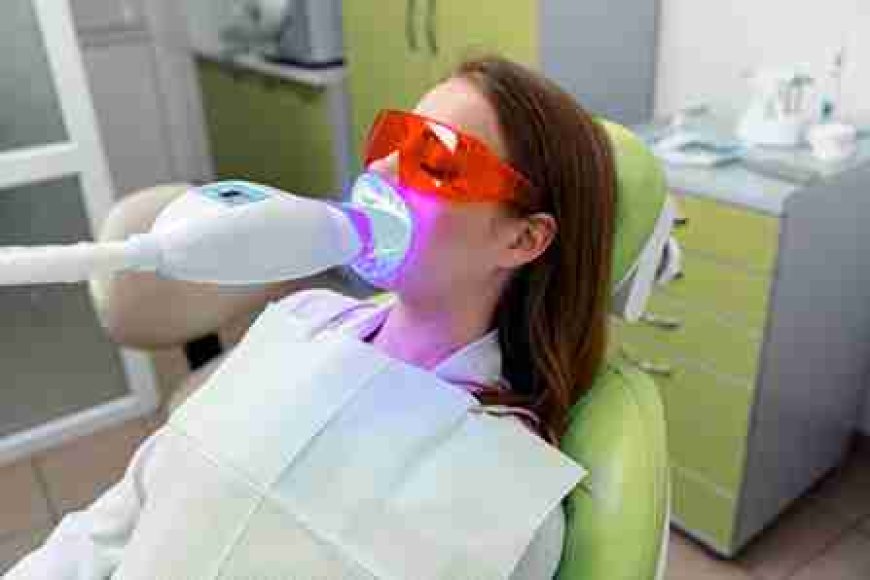
Teeth whitening lights are devices used to enhance the effects of bleaching agents during whitening treatments. They come in various forms, most commonly:
|
Type of Whitening Light |
Description |
|
LED Light |
Most commonly used in clinics and at-home kits. Safe and cool to touch. |
|
UV Light |
Not widely used because of potential harm to the skin and soft tissues; operates using ultraviolet light. |
|
Laser Light |
Used in professional settings. Offers high precision and quick activation. |
The light itself doesnt whiten teeth directly. Rather than whitening teeth directly, it acts as a catalyst that triggers or speeds up the bleaching process of agents like hydrogen peroxide or carbamide peroxide placed on the teeth.
How Do Whitening Lights Actually Work?
The mechanism is based on photoactivation. When a whitening agent is applied to the teeth, the light source heats or energises the gel, breaking down the peroxide faster. This, in turn, releases oxygen molecules that help lift surface stains from the enamel.
However, its crucial to note:
- Thelight doesnt bleachyour teeth by itself.
- Itseffectiveness depends on the strength and qualityof the whitening gel used.
- Results vary widely from person to person, depending on stain type, enamel thickness, and oral health.
In-Clinic vs. At-Home Whitening Kits
Theres a significant difference between whitening lights used in professional clinics and those found in consumer-grade kits.
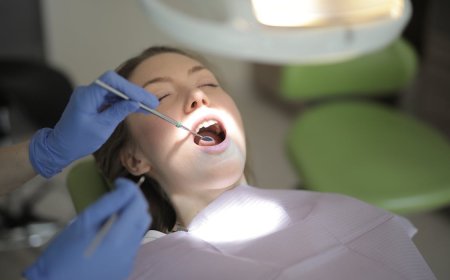
In-Clinic Light Whitening
Typically performed by dentists, in-chair treatments include:
- Application of high-concentration peroxide gel
- Use of a powerful LED or laser light
- Supervision and protection for gums and soft tissues
- Fast, noticeable results (often within one session)
At-Home Light Kits
These do-it-yourself kits are easily accessible both in shops and through online retailers, and typically feature::
- Low-concentration whitening gel
- Small LED light device
- Instructions for home use (1030 mins/day over 12 weeks)
- Variable results, depending on consistency and correct usage
Although professional whitening tends to be more expensive, the safety, speed, and results it offers are generally more reliable, especially for people with stubborn or uneven staining.
Are Whitening Lights Truly Effective?
Clinical studies and dental experts often have mixed opinions on the real impact of whitening lights. Heres a breakdown of what we know:
Pros:
- Faster initial resultswhen used with peroxide-based gels
- Enhanced penetrationof bleaching agents
- Immediate cosmetic boostfor upcoming events
Cons:
- Short-term resultsthat may fade quickly without maintenance
- Limited efficacyin at-home kits due to low peroxide levels
- Not suitablefor all types of discolouration (e.g. intrinsic stains)
In reality, the bleaching agent does most of the whitening work. The light simply acts as an accelerator. So, while it might boost the initial outcome, it doesnt significantly outperform treatments without light when used over a longer period.
Safety Considerations You Shouldnt Ignore
Like any cosmetic dental treatment, whitening with light devices comes with some risks, especially when used incorrectly.
Common Side Effects:
- Tooth sensitivity (temporary)
- Gum irritation or burns (if tissues arent protected)
- Uneven results due to improper gel application
More serious concerns arise with UV light-based systems, which can harm gums and soft tissues if not properly shielded. Thats why its always wise to seek professional guidance, particularly if you have pre-existing dental conditions or sensitive teeth.If you notice discomfort, swelling, or bleeding after using a home whitening kit, contacting anEmergency dentist in Havantis highly recommended. Timely intervention ensures complications dont escalate.
Who Can Benefit Most from Whitening Lights?
Teeth whitening lights may not work miracles, but they can still be useful in specific situations. Heres who might see the most benefit:
- People with extrinsic stains(from coffee, tea, smoking)
- Event-goersneeding quick cosmetic improvement
- Mild-to-moderate discolourationwith no underlying health issues
- Users following instructionscarefully and consistently
However, individuals with veneers, crowns, or intrinsic stains (from medication or trauma) may not see much difference and should consult a dentist for alternative options.
In cases of uneven results or pain, an Emergency dentist in Havant can examine whether the issue stems from gum irritation, an allergic reaction to gel ingredients, or a more serious concern.
Expert Insights from Dental Professionals
Dentists often recommend customised treatments because every smile is different. While over the counter kits may offer convenience, they rarely account for personal factors like:
- Enamel thickness
- Tooth alignment
- Gum health
- History of sensitivity or restorations
Thats why professionals offering Teeth whitening Havant services often begin with a full dental check-up. This ensures youre a good candidate for whitening and allows for a treatment plan tailored to your needs.
Their advice might include:
- In-chair treatments for deep stains
- At-home trays with dentist-approved gel
- Post-whitening care routines for longevity

Maintaining Your Results After Whitening
Whether youve used a light-based system or a traditional method, keeping your teeth white requires ongoing care. Simple steps can extend the brightness of your smile for months.
Maintenance Tips:
- Avoid staining foods (coffee, red wine, curries) for at least 48 hours
- Rinse with water after meals
- Use whitening toothpaste occasionally
- Schedule top-up sessions as advised by your dentist
- Avoid smoking or tobacco products
Professionally guidedTeeth whitening Havanttreatments will also come with personalised aftercare to preserve your results effectively.
Conclusion
Teeth whitening lights can indeed offer a helpful boost to whitening treatments, but they arent a magic solution. Their true effectiveness largely depends on the quality of the whitening agent, correct usage, and whether the individuals oral health supports the process. For anyone considering whitening, especially for special occasions or long-term results, professional evaluation is key. It ensures not only safety but a smile enhancement plan tailored to you.At Havant, our experienced dental team offers personalised solutions to brighten your smile while protecting your oral health. Whether you're seeking cosmetic improvements or urgent care, were here to help you every step of the way.