


















Inside the Yard: Tales of Tools, Time, and Twisted Metal
Cash for Cars NSW is a vehicle removal service that collects unwanted, damaged, old, or no longer running cars from across New South Wales. The company accepts all makes and models, whether they are roadworthy or not, and offers payment based on the vehicle’s condition and materials. With a strong focus on responsible disposal, Cash for Cars NSW works with licensed yards to ensure that every car is handled in line with environmental rules. From pick-up to recycling, the process is carried out in a way that supports local efforts to reduce waste and reuse materials. This service provides a clear path for owners who need to clear space while ensuring their old vehicle still has purpose beyond the road.


Scrap yards often sit quietly on the edge of towns and cities, hidden behind tall fences and rows of stacked vehicles. To most, they may look like places full of wreckage and rust. But once you step inside, it becomes clear that these spaces hold much more. They are places where time, tools, and human hands come together to give old cars new meaning. This blog takes a closer look at what really goes on inside the yard, and how each vehicle tells its own story through metal and memory.
The Arrival of a Wreck
The journey of many vehicles ends not on the open road but at the gates of a scrap yard. Some arrive by tow truck, others are driven in one final time. Most have been through accidents, breakdowns, or long years of wear. Though many are beyond repair, their parts and materials are far from useless.https://www.cash4carstownsville.com.au/
Each car that enters the yard brings with it a storylong drives, family holidays, or years of daily commutes. These stories are not written down, but they live in the dents, rust, and worn-out tyres. Inside the yard, these memories are quietly respected, even as the vehicles are stripped and sorted.
Tools That Tell Their Own Story
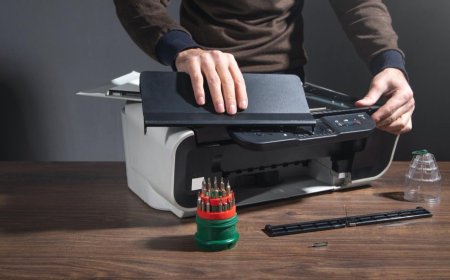
The tools used in scrap yards are not just objects of metal. They are part of a craft built over time. From power saws and spanners to forklifts and cutting torches, each tool plays a role in taking apart cars safely and carefully. Skilled workers know how to remove parts without damage, how to drain fluids without leaks, and how to handle sharp or rusted edges.
Years of practice shape how these tools are used. One worker might be known for pulling out engines in record time. Another may be the best at salvaging wiring or dashboards. Each tool and technique adds to the rhythm of daily work in the yard.
Sorting Through the Metal
Once a vehicle is stripped, what remains is sorted into types of metal, rubber, plastic, and glass. This is not just about tidiness. It is about making sure everything goes to the right place. Steel from the body is separated from aluminium in the engine. Tyres are stored for shredding, while plastics are prepared for recycling.
This sorting is done by hand and machine. It takes time, care, and awareness of what can be reused or recycled. The process helps reduce landfill waste and cuts down the need for new resources. Scrap yards help keep these materials in use, feeding them back into industries that make tools, vehicles, and everyday items.
Reclaiming Useful Parts
Not all parts of a wrecked car are damaged. Mirrors, lights, batteries, radiators, gearboxes, and even seats can be removed and reused. These parts are often sold to car owners and mechanics who need replacements. This gives the parts a second life and helps keep other vehicles running.
Each part pulled from a vehicle means less demand for new production. It also lowers the energy and material costs of keeping other cars on the road. Reusing parts is a core part of how yards work and plays a big role in the broader car industry.
The Role of Scrap Yards in the Bigger Picture
Scrap yards are not only about wrecks and repairs. They support recycling, protect the environment, and keep useful materials moving. Without them, many old cars would be dumped or left to decay, polluting soil and water.
In Australia, scrap yards help reduce the number of abandoned cars in rural and urban areas. They also help manage the growing number of vehicles reaching the end of their road life. According to the Australian Automotive Aftermarket Association, recycling vehicles reduces pressure on mining and manufacturing and cuts down on waste.
Local Work, Local Impact
Scrap yards also support jobs for mechanics, transport workers, and technicians. These are people who know how to handle tools, read the signs of wear, and work with care. Each wrecked car gives them something to work with and a purpose to return to each day.
There is also a growing awareness about how proper recycling helps towns and regions. Services that collect old vehicles and recycle them locally can make a strong difference. For example, one such service has been known to support both clean-up programs and small workshops by offering car collection and recycling under one roof.
This is where the question often arises: how do you find the Best Car Recycler Townsville when your car is no longer running? The answer lies in services that remove old vehicles quickly, pay based on real-time market rates for scrap, and make sure all parts are processed through local yards. These kinds of services are not just removing wrecksthey are part of keeping the recycling chain alive and useful.
Memories in Metal
There is something deeply human about watching a car being taken apart. It might have once carried children to school or helped someone move house. Even as it is stripped down, there is a sense that its life had purpose. Scrap yards do not erase those stories. They just give them a new endingone that involves recycling, reuse, and quiet respect.
Some workers even say they remember certain vehicles more than others. A rare vintage make, a car covered in stickers, or one that still smells like the beach. These memories are not part of the job description, but they show how deep the work goes.
Conclusion
Inside a scrap yard, there is more than wreckage. There is time, skill, memory, and movement. From the moment a wrecked vehicle enters the yard to the time its parts and materials go back into use, the process is shaped by hands, tools, and knowledge built over years.
What may look like a pile of metal is, in fact, a centre of recycling, repair, and renewal. The car's road journey may be over, but inside the yard, its materials and story continue to live onjust in a different form.