

















Understanding Postpartum Recovery
Discover essential tips and expert advice for a smooth postpartum recovery. Physical, mental, and emotional healing support for new moms.

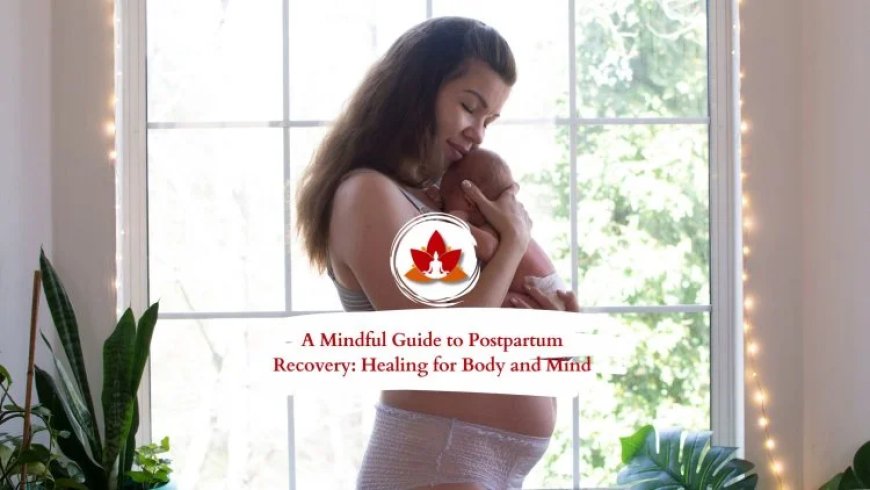
Postpartum recovery is a critical phase in a womans journey after childbirth, encompassing physical healing, emotional adjustment, and lifestyle transformation. This period, often referred to as the fourth trimester, involves much more than just returning to pre-pregnancy shape. It is a time for the body to recuperate, hormones to rebalance, and a new family dynamic to emerge. While the focus is typically placed on the baby, its equally important to care for the mothers well-being.
During the first few weeks after delivery, a womans body undergoes significant changes. The uterus contracts, bleeding gradually reduces, and stitches (if any) begin to heal. Fatigue, soreness, and fluctuating emotions are common. Understanding what to expect and preparing for the recovery process can empower new mothers and help them avoid complications.
Physical Aspects of Postpartum Recovery
The physical side of postpartum recovery varies depending on the type of deliveryvaginal birth or cesarean section. Vaginal deliveries may involve perineal discomfort, swelling, or tearing, requiring proper hygiene, ice packs, and rest. C-sections, being major abdominal surgeries, need careful wound care, limited activity, and longer healing time. Regardless of the delivery method, postpartum bleeding (lochia) continues for weeks and must be monitored.
Breastfeeding can bring additional physical challenges such as nipple soreness, engorgement, or mastitis. Proper latch techniques, nursing bras, and lanolin creams can help alleviate these issues. Its crucial for women to listen to their bodies, avoid heavy lifting, and gradually reintroduce movement or exercise under medical guidance.

Emotional and Mental Health in Postpartum Recovery
The emotional landscape of postpartum recovery is complex and often underestimated. While many mothers experience baby blues due to hormonal shifts and sleep deprivation, some develop postpartum depression or anxiety. These conditions can severely impact a mothers ability to bond with her baby or function day-to-day.
It is important to normalize these feelings and create a safe space for new mothers to express their emotions. Support from partners, family members, or mental health professionals plays a vital role. Regular check-ins, therapy sessions, and postpartum support groups can offer the reassurance and care that mothers need during this emotionally intense time.
Nutrition and Rest During Postpartum Recovery
Optimal nutrition is the cornerstone of postpartum recovery. The body needs replenishment after the exhaustive process of childbirth and the ongoing demands of breastfeeding. Diets rich in iron, protein, calcium, and omega-3 fatty acids promote tissue repair, energy restoration, and milk production. Staying hydrated is equally essential, especially for nursing mothers.
Rest, although challenging with a newborn, is equally critical. Short naps during the babys sleep cycles, accepting help from loved ones, and creating a restful environment can make a significant difference. Sleep deprivation affects physical healing and emotional well-being, making rest a priority, not a luxury.

Postpartum Recovery: Building a Support System
One of the most valuable aspects of postpartum recovery is a robust support system. Whether its a partner helping with night feeds, a family member preparing meals, or a friend offering emotional support, having others involved eases the transition. Professional support like lactation consultants, doulas, and postpartum nurses also enrich recovery.
Social expectations often push women to "bounce back" quickly, but healing takes time. Encouraging open conversations about the realities of postpartum recovery helps dismantle unrealistic ideals and fosters compassion. Empowered mothers are more likely to thrive, bond with their babies, and build confidence in their new roles.