




















What is the problem with itraconazole?
Itraconazole is a commonly prescribed antifungal medication that has helped millions of patients recover from serious fungal infections.
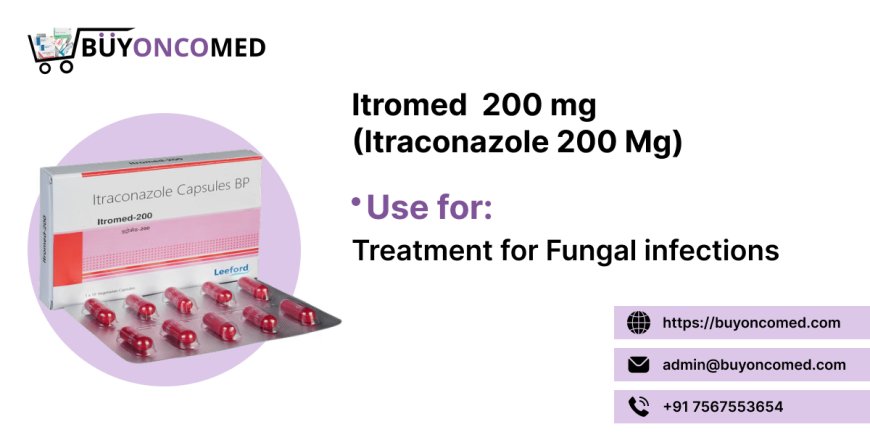
Understanding Itraconazole
Itraconazole is a commonly prescribed antifungal medication that has helped millions of patients recover from serious fungal infections. However, its not without its problems. What is the problem with itraconazole? While effective, this drug can cause a wide range of side effects, some of which are serious or even life-threatening. From gastrointestinal issues to dangerous drug interactions and even liver toxicity, itraconazole must be used with great caution.
The top 7 concerns, side effects, and interactions linked to this antifungal drug. Learn how to use it safely.
Itraconazole belongs to a group of medications known as azole antifungals, which work by stopping the growth of fungi. It is particularly useful in treating systemic infections caused by fungi like Aspergillus, Blastomyces, and Histoplasma.
Classification of Itraconazole
Itraconazole is a triazole antifungal, which is a subclass of azoles. These drugs inhibit the fungal enzyme responsible for producing ergosterol, an essential component of the fungal cell membrane.
Uses of Itraconazole
Doctors often prescribe itraconazole to treat:
- Aspergillosis
- Histoplasmosis
- Blastomycosis
- Onychomycosis (fungal nail infections)
- Sporotrichosis
Its ability to treat deep or systemic infections makes it an important drug, but that comes with some cost.
Common Side Effects of Itraconazole
Like many medications, itraconazole has a list of common side effects that, while not life-threatening, can cause discomfort or lead to discontinuation of therapy.
Gastrointestinal Issues
Some of the most reported symptoms include:
- Nausea and vomiting
- Abdominal pain or discomfort
- Diarrhea
- Indigestion or bloating
These symptoms are usually manageable but can affect medication adherence.
Skin Reactions
Itraconazole may also cause mild to moderate skin reactions such as:
- Rash
- Itching
- Hives
These are usually signs of a mild allergic response but should not be ignored, especially if they worsen.
Severe Health Risks of Itraconazole
Heres where the real problems with Itromed 200mg begin to emerge. Some side effects can pose serious health risks that require immediate medical attention.
Liver Toxicity (Hepatotoxicity)
One of the most serious concerns is liver toxicity. Itraconazole can cause:
- Elevated liver enzymes
- Jaundice (yellowing of skin/eyes)
- Hepatitis or even liver failure
Patients must undergo regular liver function tests while on itraconazole, especially if treatment is long-term.
Heart Failure Risks
The FDA has issued warnings about itraconazoles potential to cause or worsen congestive heart failure. It can:
- Reduce the hearts ability to pump blood
- Causes fluid retention
- Lead to shortness of breath or swelling in the legs
Doctors often avoid prescribing itraconazole to patients with existing heart conditions.
Drug Interactions
Itromed 100 is a strong inhibitor of CYP3A4, a liver enzyme responsible for metabolizing many drugs. This makes drug interactions a major concern.
CYP3A4 Inhibitor Effects
By inhibiting this enzyme, itraconazole can raise the blood levels of many other medications, including:
- Statins (cholesterol meds)
- Benzodiazepines (anxiety meds)
- Calcium channel blockers (blood pressure meds)
Contraindicated Drug Combinations
Some medications are strictly contraindicated, including:
- Quinidine
- Dofetilide
- Lovastatin
- Simvastatin
- Pimozide
Taking these drugs with itraconazole can lead to fatal heart rhythm disturbances or liver failure.
Patient Populations at Higher Risk
Some people are more susceptible to the dangers of itraconazole than others.
Elderly and Liver-Impaired Patients
Older adults or those with pre-existing liver disease are at a higher risk for:
- Drug accumulation
- Liver toxicity
- Adverse drug reactions
Pregnant and Breastfeeding Women
Itraconazole is classified as a Category C drug for pregnancy. It may cause:
- Birth defects (in animal studies)
- Potential harm to the fetus
It is generally not recommended during pregnancy or breastfeeding unless necessary.
Monitoring and Precautions While Using Itraconazole
To use itraconazole safely, regular monitoring is essential.
Blood Tests and Liver Function Monitoring
Doctors usually recommend:
- Baseline liver tests
- Ongoing liver enzyme monitoring
- EKG for heart rhythm issues
Close monitoring helps reduce the risks of long-term complications.
Alternatives to Itraconazole
If a patient cant tolerate itraconazole, there are other options.
Other Azole Antifungals
- Fluconazole Safer for those with liver issues.
- Voriconazole Effective for Aspergillosis.
- Posaconazole Used in fungal prophylaxis in immunocompromised patients.
Non-Azole Antifungal Options
- Amphotericin B Used for severe fungal infections.
- Echinocandins (e.g., caspofungin) Fewer liver-related side effects.
FAQs
1. Is itraconazole a safe medication?
It is safe when used correctly and under supervision, but it carries serious risks like liver damage and heart failure.
2. Can itraconazole be taken long-term?
It can, but only with regular monitoring. Long-term use increases the risk of severe side effects.
3. What should I avoid while taking itraconazole?
Avoid alcohol, certain cholesterol and heart medications, and grapefruit juice, which may enhance side effects.
4. How long does itraconazole stay in your system?
Itraconazole has a long half-life and can stay in your system for days to weeks after stopping.
5. Can itraconazole affect your mood or mental health?
Rarely, it may cause mood swings, anxiety, or confusion, especially in elderly patients.
6. What are the signs of liver damage from itraconazole?
Watch for yellowing of skin/eyes, dark urine, fatigue, and upper-right abdominal pain.
Conclusion:
Itraconazole is a powerful antifungal with a wide range of applications. However, it comes with serious risksincluding liver toxicity, heart failure, and dangerous drug interactions. Its use should be reserved for infections that are hard to treat or potentially life-threatening, and only under close medical supervision. Safer alternatives exist and may be preferable for certain patients. Always consult a healthcare provider to assess the risk-benefit ratio before starting itraconazole.
For more information Visit Buyoncomed.